
Sleeping on the Camino de Santiago: How to Get a GOOD Night’s Rest
Sleeping on the Camino can be tougher than you’d think, even after a long day of walking. Between jet lag, shared rooms, and plain old nerves, getting a good night’s rest is a challenge most pilgrims don’t expect.
I walked the Camino Francés from Saint-Jean-Pied-de-Port to Santiago, and as someone who struggles with anxiety, sleep was often a real hurdle for me.
In this post, I’ll share practical tips and lessons from my journey so you can rest easy and wake up refreshed for each day on the trail!
Packing for the Camino can feel overwhelming, especially with so many “must-have” lists out there. My Camino Packing Guide takes the guesswork out, covering exactly what you need (and why) to make your journey smoother – from backpacks to toiletries. Grab it here for just $7!
Choosing the Right Accommodation
This post contains affiliate links, meaning I might make a small profit if you choose to purchase at no extra cost to you. This helps me to keep providing you with high quality content for free.
Finding the right place to sleep on the Camino can seriously make or break your journey. Here’s a breakdown of Camino accommodation options to consider based on budget, privacy, and your need for social connection or solitude.
1. Hotels
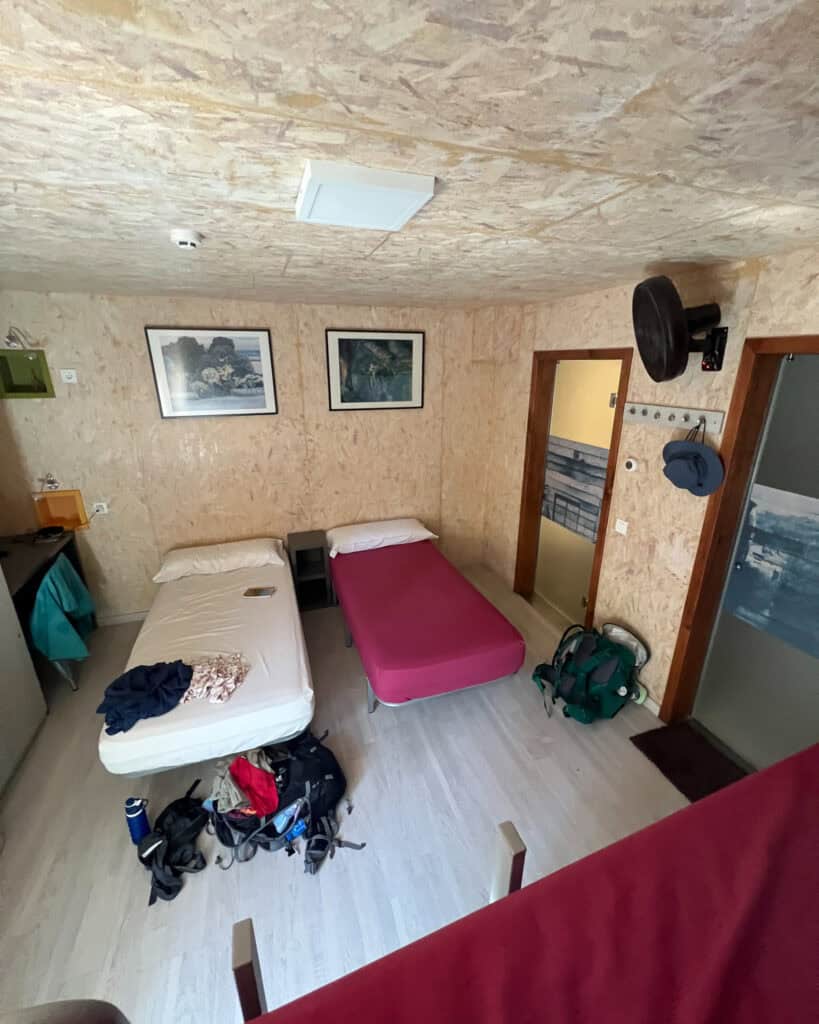
Hotels along the Camino offer the most comfort and privacy. With your own room and bathroom, you can settle in without worrying about other pilgrims (or yourself) snoring or tiptoeing around at night.
Staying at a hotel can be especially useful if you’re a digital nomad walking the Camino who needs to get some work done in a quiet area with wifi.
- Pros: Privacy, comfort, your own bathroom, and generally quieter.
- Cons: On the pricier side, and sometimes noisy due to A/C units or thin walls.
Tip: Consider booking a hotel for the first few nights, especially if you’re adjusting to the time zone or need a break from sleeping in communal rooms in an albergue. Hotels can also be a nice treat every few days on the Camino if you want more privacy and undisturbed rest.
2. Albergues
Albergues (hostels) are the classic Camino choice – and for good reason. They’re affordable, social, and give you the chance to meet other pilgrims.
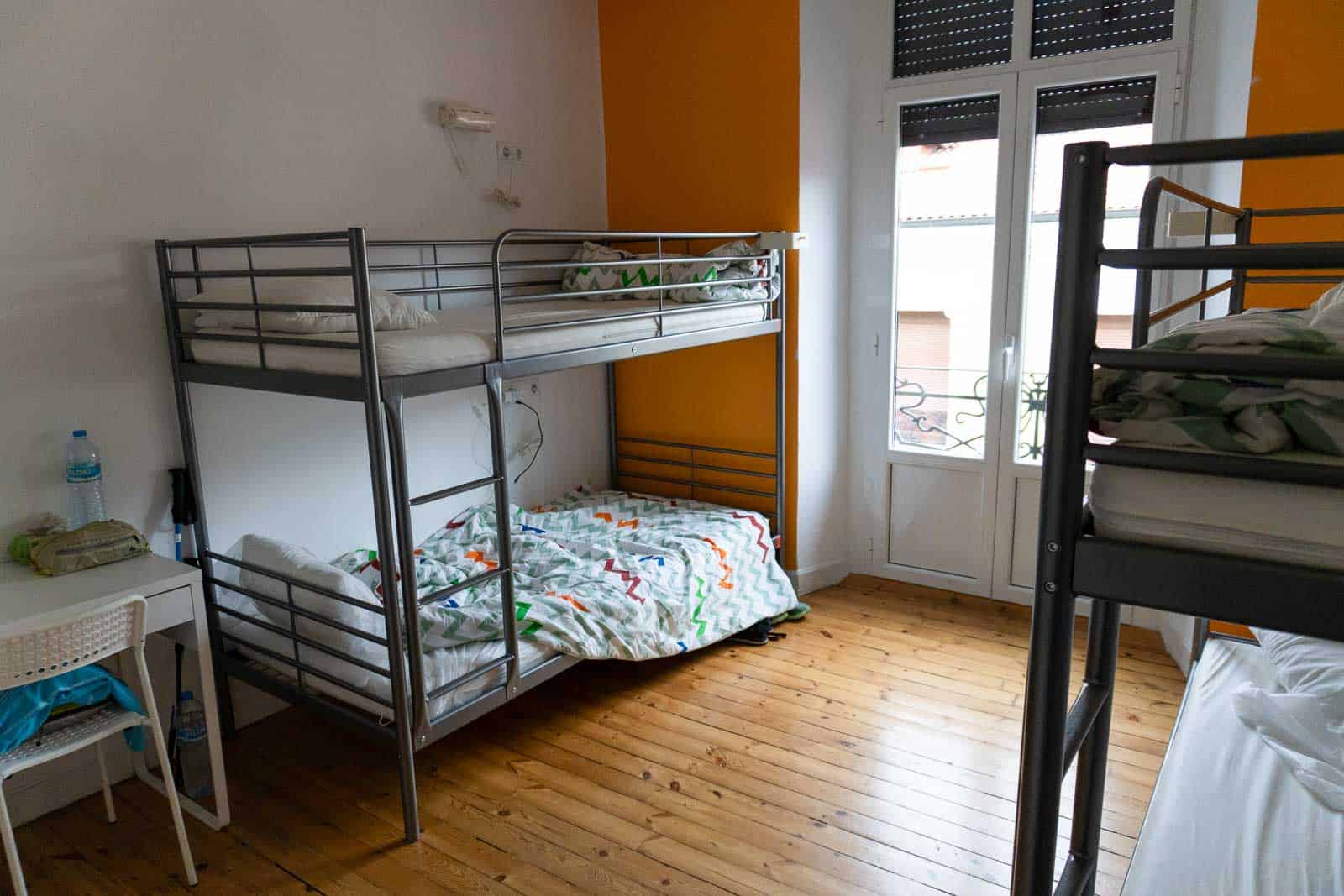
But keep in mind, you’ll likely be in a shared dorm-style room with anywhere from 4 to 50 other people.
- Pros: Budget-friendly, a great way to meet people, and a genuine Camino experience.
- Cons: Shared spaces mean noise from fellow pilgrims and middle-of-the-night movement.
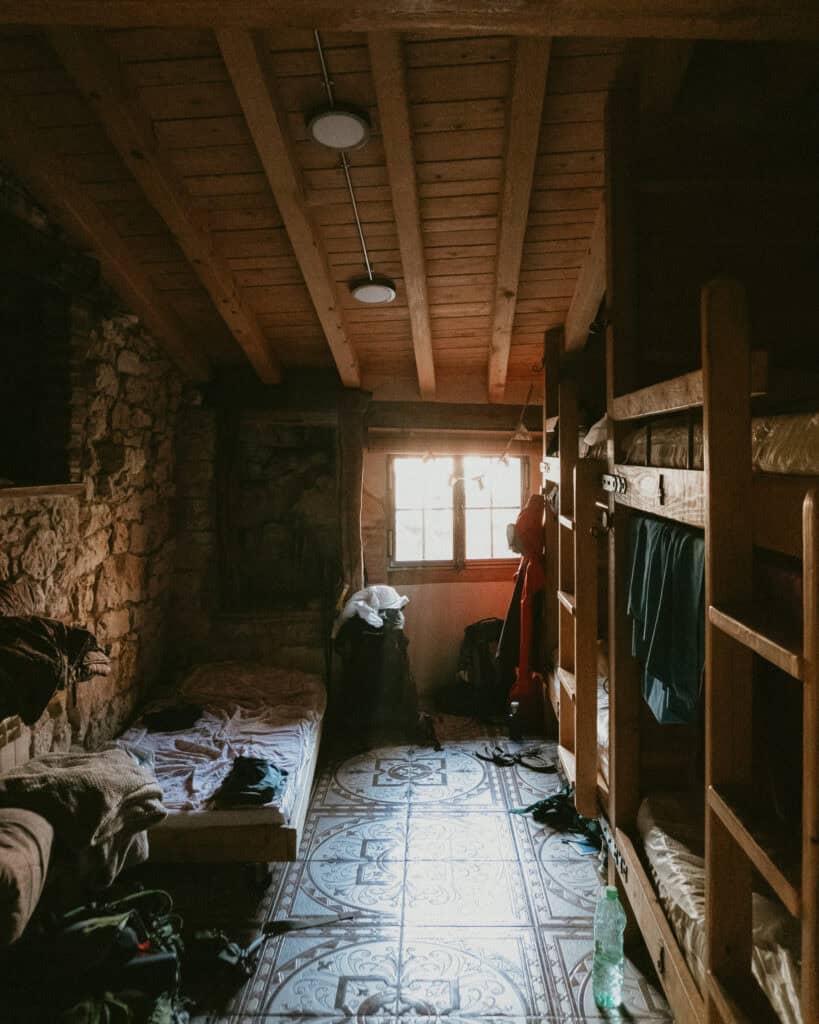
Pro Tip: Smaller albergues typically have fewer beds, which can mean a quieter environment and fewer snorers! Some also offer private rooms—a great option if you want the albergue atmosphere but need a bit more privacy. I often walked farther on the Camino to skip popular stops and stay in a less-crowded albergue, which is one of my top Camino tips.
3. Airbnbs
Airbnbs can be an ideal choice in larger towns along the Camino like Leon and Burgos, offering a happy medium between hotels and albergues. You’ll get more privacy than in an albergue, often with a social feel if you’re staying in someone’s home.
- Pros: More privacy than albergues, social but less crowded, budget-friendly depending on the location.
- Cons: May not be available in smaller towns, slightly higher cost than albergues.
Each option has its perks, so consider mixing things up based on what you need to recharge.
Essential Sleeping Gear for a Good Night’s Rest

Staying well-rested on the Camino isn’t just about where you sleep – it’s also about how you sleep.
Here’s the essential gear to help you block out noise, find comfort, and settle into deep, refreshing rest.
1. Earplugs or Noise-Canceling Headphones
If you’re sleeping in shared spaces, you’ll quickly realize that quiet nights are rare.
Between snorers, creaky bunks, early risers, and late-night phone flashlights, it can feel like everyone else’s sleep schedule clashes with yours.
Recommendations: For basic noise-blocking, bring foam earplugs. They’re cheap, lightweight, and effective against general noise.
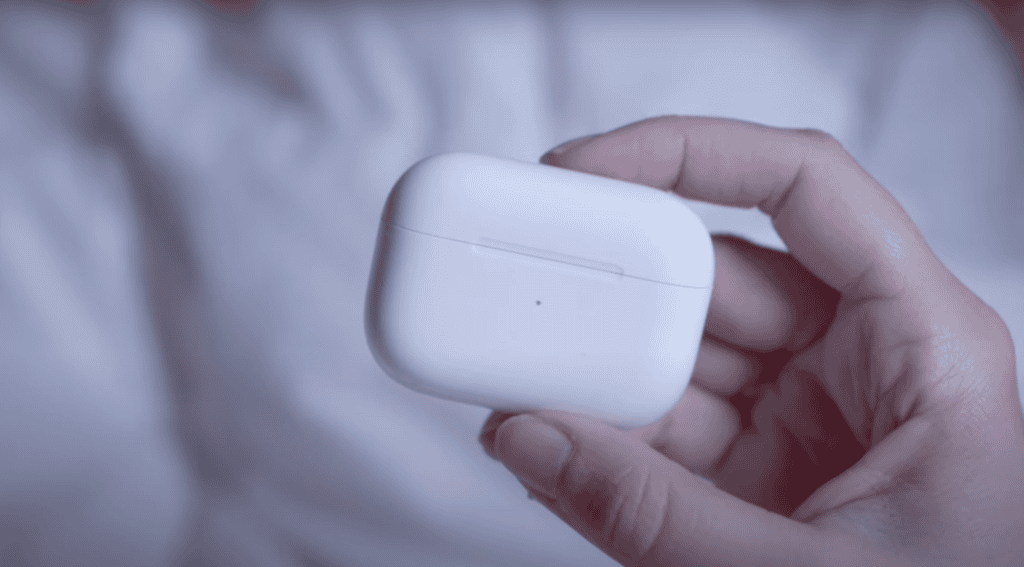
But if you want more control, noise-canceling earbuds (like AirPods) are game-changers.
Use them to play soothing sounds or an audiobook – something like Braiding Sweetgrass on Audible can be incredibly calming.
For relaxation and sleep-focused sounds, apps like Calm offer guided sleep meditations and soundscapes, including rain or white noise, that can mask disruptive sounds.
With the right audio, you’ll be able to drift off, no problemo.
If you’re feeling unsure about what to pack or don’t want to risk overpacking, check out my Camino Packing Guide. For just $7, you’ll get all the must-have gear recommendations plus a checklist so you won’t forget a thing. I wish I’d had it before my first Camino!
2. Sleep Mask

A sleep mask is a lifesaver on the Camino – seriously. Between outdoor street lamps, early risers rummaging around with flashlights, and occasional late-night arrivals, a reliable mask helps you control the light so you can get some real rest.
Why It’s Essential: You’ll often be in shared spaces where lights might go on and off at all hours, and having an eye mask makes a huge difference in blocking out light. It’s also handy if you want to take a nap after walking for the day as soon as you arrive at your accommodation for the night.
Pro Tip: You might want to consider bringing a second mask! I learned this the hard way when I lost my original sleep mask somewhere between albergues.
I spent days trying to find a replacement, going from town to town, figuring out how to say ‘eye mask’ in Spanish, and finally grabbing one in a tourist shop in Sarria.
So, pack an extra – you’ll thank yourself later!
3. Melatonin or Sleep Aids
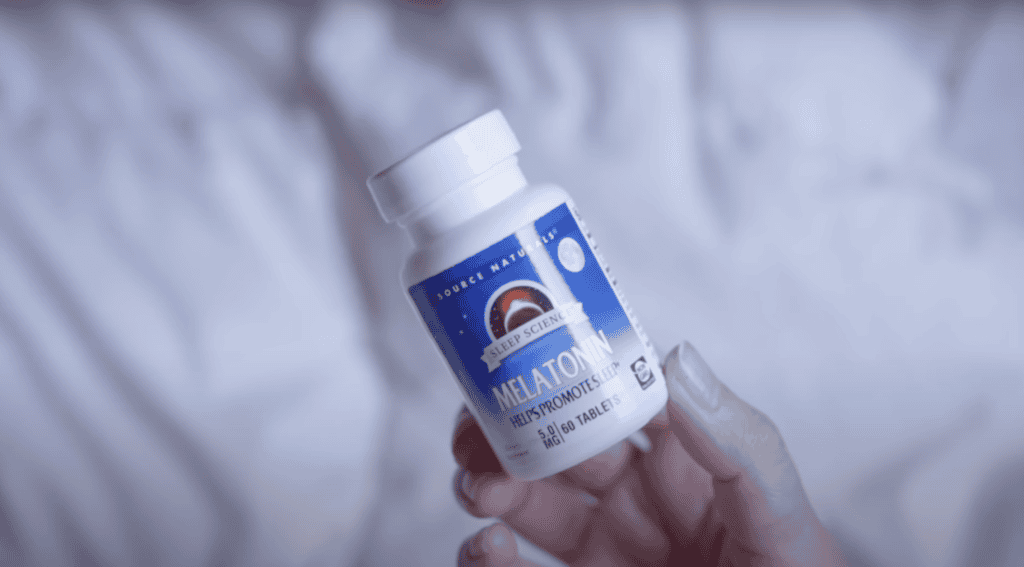
Melatonin or other gentle sleep aids can be a huge help on the Camino, especially in those early days when jet lag is real or on nights when you’re just too wound up to settle down.
Why It’s Helpful: Melatonin can help regulate your body’s internal clock, making it easier to fall asleep even when your schedule is off. This is especially useful if you’re adjusting to a new time zone or feeling the effects of nonstop days on the trail.
Pro Tip: Pack a small supply – just enough for emergency nights when nothing else seems to work. A couple of melatonin tablets can go a long way, and having them on hand might be the difference between lying awake or waking up refreshed.
Disclaimer: I’m not a doctor, so this isn’t medical advice – always check with your doctor before taking new supplements, especially if you have any health concerns.
4. Sleeping Bag or Liner

Choosing the right liner is an important part of getting comfortable sleep on the Camino.
Keep in mind, that the season you’re walking in makes a big difference, so pack according to the temperatures you’ll face.
If you’re walking in cooler months like early spring or late fall, a lightweight sleeping bag is ideal.
It’ll keep you warm during chilly nights and can double as a cozy layer on drafty mornings.
For summer months, a sleeping bag liner is a good idea – and that’s what I did. It’s light, breathable, and easy to carry.
Silk Liner Benefits: I suggest getting a silk sleeping bag liner. It’s great for temperature control, keeping you cool in hot albergues at night.
Silk is also smooth and comfortable, which adds an element of comfort. Some say it may even deter bed bugs, though that’s kind of debatable… I had a silk liner, and still got bitten.
All in all, though, having a clean, designated liner definitely helps you feel more comfortable in shared spaces, especially since albergues don’t provide bedsheets. Bringing one is a MUST.
Whether you choose a full bag or a liner, prioritize comfort and weight/packability – it’ll make all the difference on your Camino journey.
Practical Tips for Adjusting to Camino Sleeping Conditions
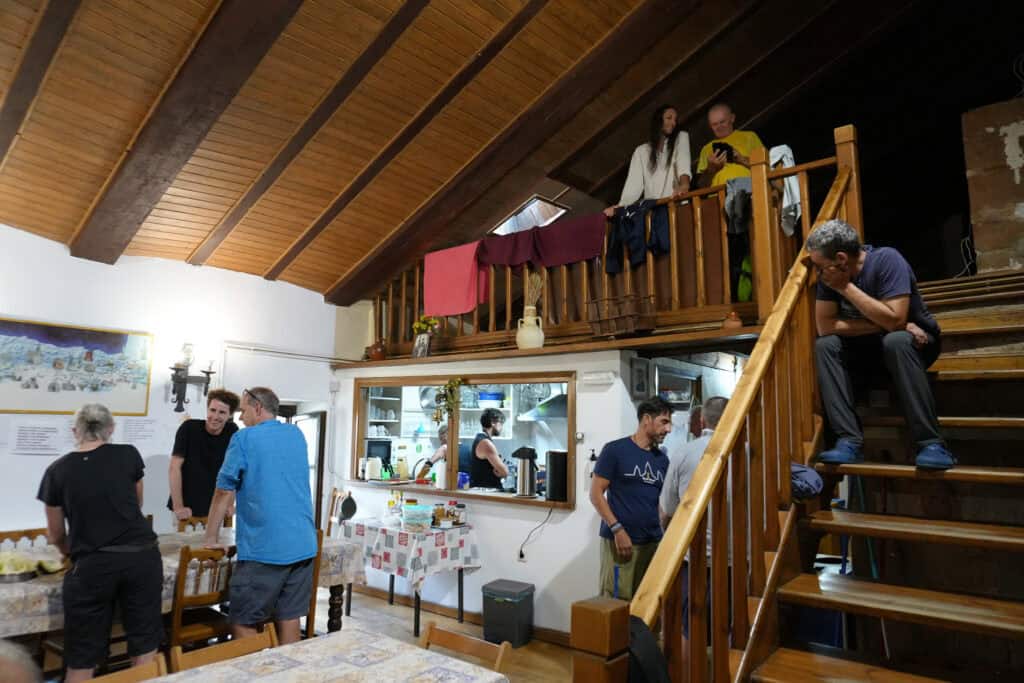
Getting quality sleep on the Camino might take a little patience – especially if you’re not used to shared spaces and long days on foot. Here are a few practical tips to help you adjust.
Jet Lag: If you’re traveling from overseas, expect a few rough nights at the start.
Give yourself grace and plan for a bit of an adjustment period. A couple of nights might be all it takes, but keeping your routine light at first can help ease the transition.
Adjusting Sleep Expectations: Sleeping in dorm-style rooms with fellow pilgrims can be… interesting! Between different schedules, snorers, and creaky bunk beds, it’s definitely an adjustment.
Embrace it as part of the Camino experience – the shared spaces bring a sense of community and camaraderie that’s hard to replicate.
Some of the best Camino memories come from those unplanned, late-night chats or laughs with fellow pilgrims.
Pacing with Private Rooms: Don’t be afraid to take a break from albergues and recharge in a private room every few days.
Whether it’s a hotel or a cozy Airbnb, having your own space can be a lifesaver and gives you a chance to catch up on sleep. I found this to be essential when I was trying to sleep well on the Camino.
Embracing the Unique Sleep Challenges of the Camino
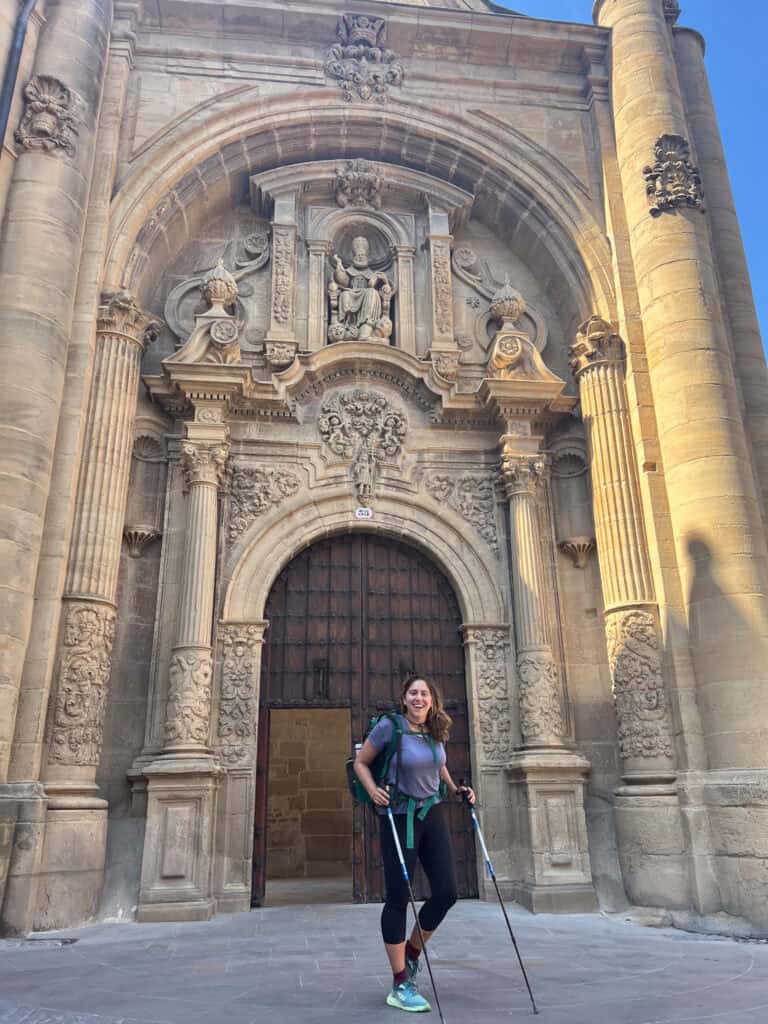
I’ll be real – sleep on the Camino is rarely perfect. Between the snorers, the creaky bunks, and the early risers, there were plenty of nights when I didn’t get the rest I’d hoped for.
But honestly, the camaraderie and sense of purpose made it all feel worth it.
Sharing these little discomforts with others brought a surprising level of closeness and a lot of humor along the way.
I learned to embrace the experience as part of the Camino’s charm.
I’d sometimes wake up tired, but it was hard to stay frustrated when everyone was in the same boat, cheering each other on.
The nights I spent chatting or laughing with other pilgrims ended up being some of my best memories, sleep or no sleep.
So, my advice? Stay flexible, keep your sense of humor, and go easy on yourself.
It’s all part of the adventure – the less-than-ideal sleep, the community, the shared stories.
Embracing these little quirks helped me appreciate the Camino even more, and I hope it does the same for you!
I know from experience that having the right gear can make or break your Camino journey. My $7 Camino Packing Guide includes my personal insights and a comprehensive checklist to ensure you’re fully prepared. It’s perfect for anyone planning their first Camino or wanting to avoid the mistakes I made!
FAQ for Sleep on the Camino
What happens when you can’t find a place to sleep?
If you can’t find a place to sleep on the Camino, try checking nearby albergues in smaller towns, as they’re often less crowded. Many pilgrims also book hotels or Airbnbs as backups. In an emergency, local tourism offices can help, or you might even find a local willing to offer a temporary spot.
Do people sleep outside on the Camino?
Yes, some pilgrims choose to sleep outside on the Camino, but it’s not very common. Camping along the route can be tricky since certain areas don’t allow it, and facilities may be limited. Most pilgrims prefer albergues or other accommodations for safety, convenience, and access to showers and meals.
Can you camp along the Camino de Santiago?
Yes, you can camp along the Camino de Santiago, but it requires some planning. While wild camping is restricted in many areas of Spain, designated campgrounds are available along parts of the route. Most pilgrims opt for albergues due to convenience, but if you’re set on camping, check local regulations and prepare for limited facilities.
Conclusion: Rest Easy and Buen Camino!
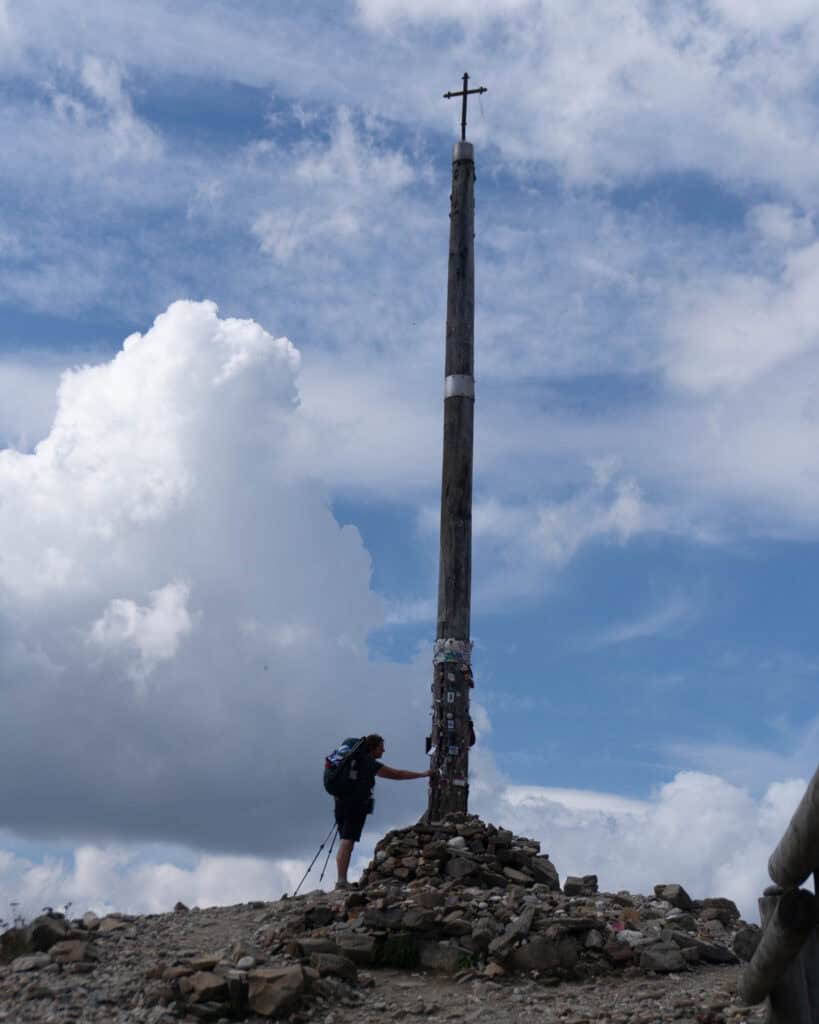
Getting a good night’s sleep on the Camino de Santiago can feel challenging with the shared spaces, jet lag, and constant movement, but the right accommodations and essential gear can make a world of difference.
With these tips, you’ll be better prepared to recharge each night so you can fully enjoy your Camino experience.
Ready to dive deeper into accommodation options? Check out my guide on Where to Stay on the Camino Francés for more details on finding the perfect spot to rest along the way!
Read More About the Camino de Santiago:
Planning a trip right now? Here are a few top resources I use on every trip:
🏨 Booking.com for great deals on hotels.
🎟️ GetYourGuide for incredible tours around the world.
🌍 Faye for travel insurance with great customer support.
📞 eSIM for staying connected in the air, on a cruise ship, or exploring on foot.
🗣️ Babbel for brushing up on my language skills.
