

The Ultimate Guide to Walking the Camino de Santiago as a Digital Nomad
“Can I work from the Camino de Santiago?” It’s a very valid question! Walking the Camino de Santiago as a digital nomad or while remote working might seem like a daunting challenge, but I’m here to tell you that it’s entirely possible — with the right strategies.
If you’re a digital nomad dreaming of this epic pilgrimage but worried about balancing work and travel, you’re in the right place.
I walked the Camino Frances in 33 days while running my agency and managing three clients. I’ve been self-employed since 2017, and in 2021, I turned my freelance biz into a full-service agency before picking up blogging again.
I’d always dreamed of walking the Camino one day. And then, one day, I made that dream a reality.
If you want to do the same, I’ll share the strategies I used to maintain my work commitments without missing out on the transformative experience of the Camino.
Let’s get into it!
Why walking the Camino de Santiago is unique

Walking the Camino de Santiago as a digital nomad is a whole new level of juggling.
You’re part pilgrim, part professional. It’s definitely not your average travel experience, or even your average digital nomad experience, for that matter.
On one side, you’re diving into a journey that’s steeped in history and spirituality. On the other, you’re still tethered to your laptop, meeting deadlines, and keeping clients happy—all while trekking through some pretty remote areas.
Balancing these two worlds isn’t easy.
The Camino demands hours of walking each day (and I mean like, 6-8 hours of walking), often with spotty Wi-Fi and very few places to charge your battery.
If you’re working while walking the Camino de Santiago, there’s a constant tug-of-war between soaking in the experience and keeping up with work.
But here’s the thing—those challenges come with some serious perks. The Camino is a chance to hit pause on your regular routine, do some deep thinking about life, and meet people from all walks of life.
For digital nomads, it’s a rare shot at blending the freedom of working from anywhere with the richness of a pilgrimage.
By the end of it all, you might just find that the Camino changes not only how you see the world, but also how you approach your work-life balance.
🤩 Packing your bags already? Get my Camino de Santiago Packing Guide!
Assess your ability to work while walking
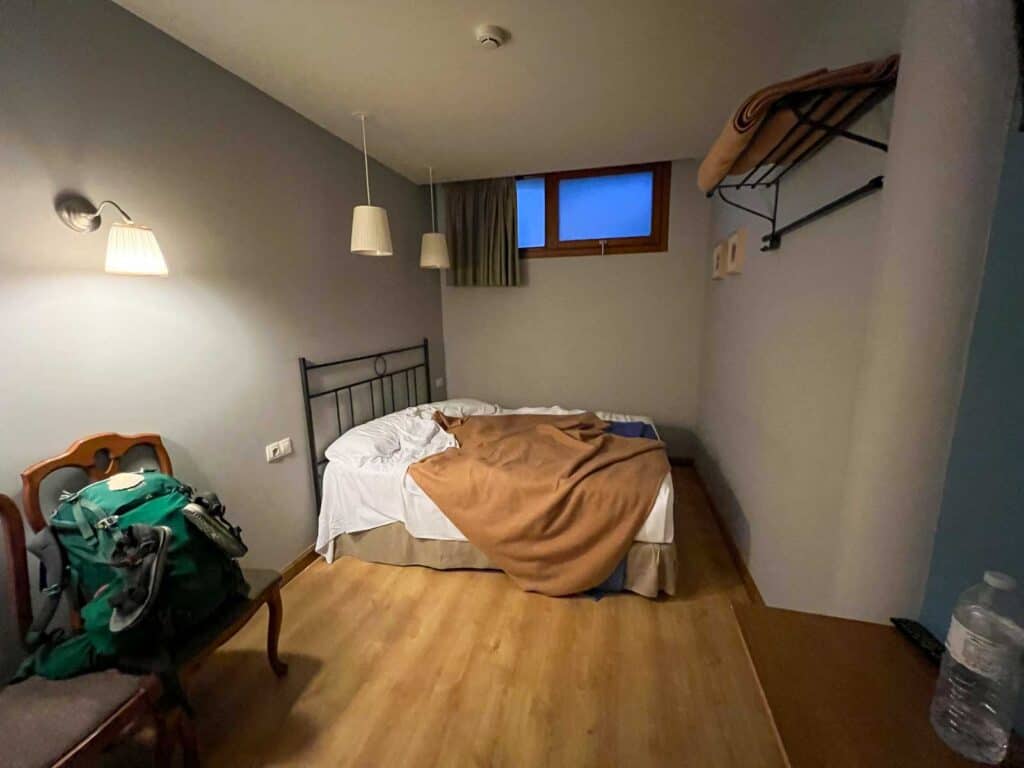
Before you lace up your shoes, pack your bag, and hit the Camino, it’s crucial to ask yourself one question:
Do you really want to work while on the Camino de Santiago?
The Camino de Santiago is usually a time to unplug, dive into the experience, and do some serious soul-searching. But when you’re trying to balance that with work, it can get really tricky.
First things first—take a hard look at your workload and what your clients expect from you.
If your job involves constant emails, tight deadlines, or daily check-ins, you’ve got to ask yourself: Can I realistically handle this while walking 15 miles a day?
Because the Camino isn’t a walk in the park—it’s a physically and emotionally demanding trek.
The last thing you want is to be stressing over a work deadline while you’re halfway through the Meseta with no signal in sight.
You’ve also got to think about your clients. Are they going to be cool with you being less available, or are they expecting you to be fully dialed in?
In some cases, it might even be worth considering whether you should just take a complete break from work during your Camino.
I get it—taking time off, especially unpaid, can be scary, or even impossible if you’re living paycheck to paycheck.
But the Camino is a once-in-a-lifetime experience. It’s worth giving it your all.
Balancing work and the Camino at the same time is doable, but it takes some serious planning and a realistic look at your situation.
Strategize your Camino journey

If you want to walk the Camino de Santiago as a digital nomad without losing your mind, you’ve got to plan like a pro.
First: give your clients a heads-up.
Let them know about your adventure well in advance and explain how your availability is going to change. Walking takes several hours each day, often in areas where WiFi is an afterthought.
Your response times might slow down, and it’s better to be honest about that from the get-go.
Set up a communication plan that works for everyone.
Maybe you handle the urgent stuff first thing in the morning before you hit the trail, or in the late afternoon once you’ve made it to your albergue.
Be clear about potential delays and make sure your clients know what to expect.
Next, figure out your work and walking schedule. Be realistic about how much time you can give to both each day.
Some digital nomads might prefer walking shorter distances so they can squeeze in a few work hours, while others might set aside certain days just for work and take a break from walking.
If you’re going to work while on the Camino, stay flexible. Blisters, fatigue, and other surprises can mess with your plans.
Listen to your body and adjust as needed—you don’t want to overdo it and ruin the experience.
Finally, think about the length of your Camino. If you’re mixing workdays in between your walking days, it’s going to take longer than the usual 30 days. And that’s okay!
An extended timeline might be just what you need to balance work and walking without losing out on the full Camino experience.
Strategizing your Camino is all about finding the right balance.
With solid planning, clear communication, and a bit of flexibility, you can manage both work and your pilgrimage without losing your sanity.
🤩 Prepping for the Camino? Save time and money with my Camino de Santiago Packing Guide!
Manage your tech on the Camino

When it comes to handling tech on the Camino de Santiago, picking the right gear is key. As much as you might want to bring your laptop to keep up with work, I’m here to tell you—leave it at home.
A laptop is heavy, awkward, and honestly, not made for life on the Camino.
Instead, go for a lightweight tablet or iPad (which is what I did). These are much easier to carry and can cover most of your essential tasks, from checking emails to hopping on a quick video call.
For me, an iPad was an absolute game-changer. It kept me connected without the back-breaking weight of a laptop.
Plus, it’s super versatile—you can read, navigate, and even jot down your Camino thoughts.
Just make sure it’s pre-loaded with all the apps and files you’ll need because downloading (or uploading) big files on the road can be a pain. I know from experience!
Once you’ve got your devices sorted, the next hurdle is dealing with connectivity.
Wifi and cell service on the Camino can be hit or miss.
While many albergues (pilgrim hostels) and cafes offer Wi-Fi, the speed is all over the place.
You might find yourself offline for a day or two, and that’s just part of the adventure.
To stay connected, think about grabbing an eSIM with a data plan that works throughout Spain. Look for one that you can also use as a hotspot. Check out my eSIM review for more on that.
This will give you more reliable internet access as you trek. But even with an eSIM card, expect some dead zones, especially in the rural parts of the Camino.
Pro tip: download offline maps and any other must-have resources before you start walking.
That way, you won’t be left scrambling if you lose your signal.
And remember, managing your tech isn’t just about staying online for work—it’s about having the tools to navigate your Camino–especially if you’re walking alone.
Outsourcing and delegating work
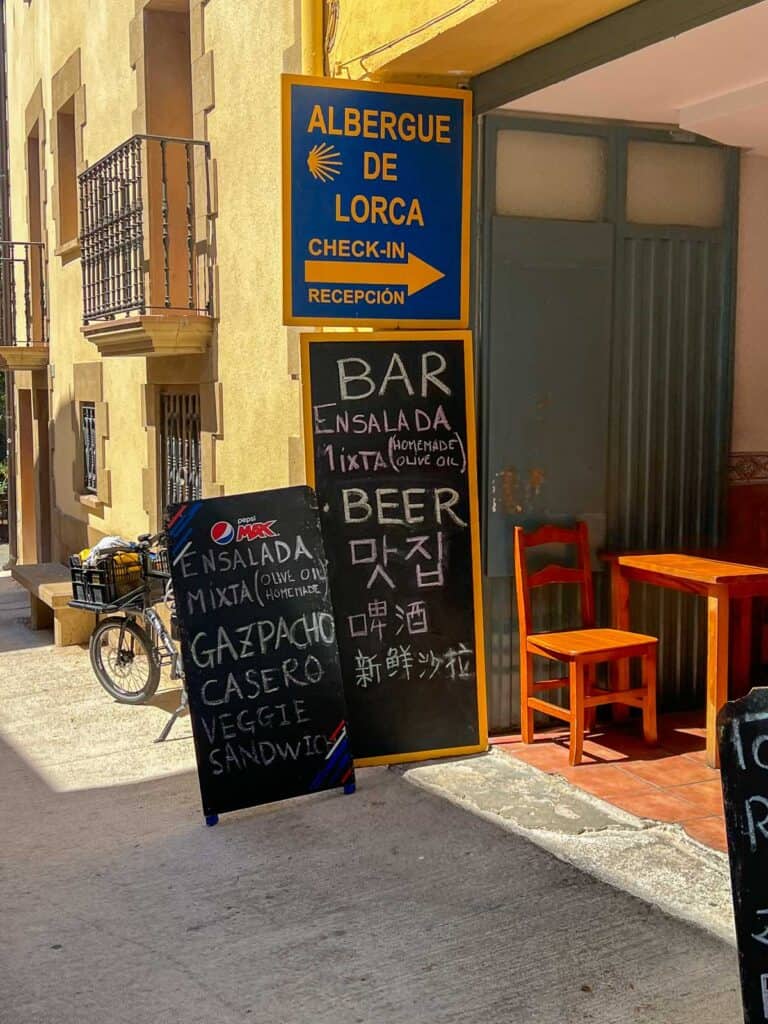
Walking the Camino de Santiago as a digital nomad means getting a little creative with how you handle your work. Outsourcing and delegating can give you the freedom to focus on your pilgrimage without letting your business fall apart.
When to Hire Help: How and What to Outsource
If your workload feels like too much to juggle solo, it might be time to bring in some backup before you hit the trail.
Think about what tasks you can hand off and which ones really need your personal touch.
Start by identifying the tasks that eat up the most time but don’t necessarily need you to do them. This could be things like admin work, data entry, or scheduling.
Once you’ve got that list, find a reliable freelancer or colleague who can take over while you’re on the Camino.
Routine stuff like social media management, emailing, or even some content creation can often be passed on to a trusted freelancer or virtual assistant. You can typically find a VA on Upwork for $20/hr and under.
Don’t wait until the last minute—give yourself time to find the right person and get them up to speed.
It might also be a good idea to bring someone on board in case of any urgent client issues while you’re away. Having a point of contact for emergencies means you can focus on the Camino without constantly worrying about work.
Setting Up Support Systems on the Road
Even if you’re not fully outsourcing, you’ll need solid support systems in place. Automate as much of your workflow as possible.
Tools like Zapier can handle repetitive tasks like sending emails or updating project boards, which cuts down on the hands-on work you’ll need to do.
The whole point of outsourcing and setting up support systems is to free up your time so you can actually enjoy the Camino.
With some smart planning ahead of time, you can keep your business running smoothly and fully immerse yourself.
Budgeting for the Camino as a Digital Nomad

If you’re gearing up to walk the Camino de Santiago as a digital nomad, nailing down your budget is a must.
Having a solid budget means you’ll have enough cash to make it through your pilgrimage comfortably without stressing over money—and still cover your work-related expenses while you’re on the road.
I’ll briefly touch on budget here, but I’ll be writing a full guide to budgeting soon – so please stay tuned!
Breaking Down Your Budget
Start by splitting your budget into the main categories: accommodations, food, transportation, gear, and miscellaneous expenses. If you’re doing the Camino Frances, which takes around 30 days, you’ll need to budget for at least a month’s worth of costs.
- Accommodations: You can keep it cheap by staying in albergues (pilgrim hostels), which run about €8-15 a night. If you prefer a little more privacy, private rooms in hotels will cost you more—think €30-€60 a night.
- Food: Plan for around €20-30 per day on food. This could mean grabbing a pilgrim menu, getting items from the grocery store, or splurging on a nice meal here and there. Cooking your own food or joining communal dinners at albergues can help stretch your budget.
- Gear: Good gear is key to a comfortable Camino. You’ll need decent footwear, a sturdy backpack, clothing, and essentials like a sleeping bag or rain gear. Budget a few hundred euros for gear, especially if you’re starting from scratch.
- Miscellaneous: Don’t forget to budget for the unexpected—things like medical supplies, laundry, or the cost of transportation if you need to skip a stage or take a detour. A little extra cushion here can save you some major headaches.
- Shipping and Logistics: If you need to lighten your load by shipping your laptop or other heavy items ahead, plan for the cost of services like Jacotrans. They’ll transport your backpack from one albergue to the next for about €6-8 per stage, which can add up to around €200 (for the Camino Frances).
Personal insights: Lessons learned from my Camino as a digital nomad

When I walked the Camino Frances, I was managing three clients and running my digital agency. I quickly learned that the key to success was finding a rhythm that worked for me.
Most days, I just needed to be able to check my email on my phone.
Early on, I had a writing deadline that l didn’t have a chance to complete before I flew to Spain.
So, unfortunately, I had to take care of that on the second night of my Camino – after a long day of walking through the Pyrenees Mountains from Orrison to Roncesvalles.
Staying up till 11pm in bed and writing on my iPad wasn’t fun. My eyes were struggling to stay open as I finished the last sentences of that article.
But I had a deadline, and when I have a deadline, I do everything in my power to keep it.
Fortunately, after that night, I didn’t have much work to do for the rest of my trip. I’d already set up my plan to delegate work for one client to a friend who’s also a freelance writer.
I was also extremely fortunate to have a client who let me take a break entirely and complete our work when I returned to the States.
The Camino teaches you to listen to your body and your heart, and sometimes, that means putting work aside to fully engage with the journey.
Ultimately, finding the right balance between work and pilgrimage is deeply personal.
But if you can find that balance, the Camino de Santiago offers a unique opportunity to grow both personally and professionally, leaving you with memories—and lessons—that you’ll have forever.
🤩 Looking to get started as a digital nomad? Get my FREE starter kit!
FAQ: Being a Digital Nomad on the Camino
What do I do if an urgent work issue arises while I’m on the Camino?

If an urgent work issue pops up while you’re on the Camino, having a plan in place is key. Designate a point of contact who can handle emergencies. You can walk to the next town along the Camino and find a bar, albergue, or cafe with WiFi to address the issue quickly on your cell or tablet before getting back to walking.
Is it possible to find co-working spaces along the Camino?

Finding traditional co-working spaces along the Camino is rare, especially in the more rural areas. However, some larger cities — like Leon or Burgos — on certain routes may have cafes and hotels with good WiFi where you can work. It’s a good idea to plan to stop and take rest days in these cities if you need a more reliable workspace.
Have people successfully worked remotely while doing the Camino?
Yes, people have successfully worked remotely while doing the Camino. I met one other American woman who was also a digital nomad during my Camino. Most people are either retired, students, or recently quit their jobs, but there are a few digital nomads here and there.
How do I manage client communication across different time zones?

Keep your clients’ and your time zones in mind on the Camino. I found that being online in the early morning and late afternoon worked best (for my clients in PST), giving me a chunk of time mid-day to walk without worrying about messages. If you need to schedule calls, use a tool like Calendly.
Is there internet on the Camino?

Yes, there is internet available in places on the Camino, but connectivity can be spotty. Many albergues offer WiFi, but the internet speed varies. It’s a good idea to have an eSIM with data or a WiFi hotspot for more reliable access, though even that might be limited in some parts.
Final thoughts: Can you walk the Camino as a digital nomad?

Yes, you can absolutely walk the Camino as a digital nomad!
It’s all about planning ahead, managing your workload smartly, and staying flexible.
With the right approach, you can balance both your work and the unique experience of the Camino.
If you’re ready to dive in, check out where to stay on the Camino Frances for tips on accommodations with WiFi along the route.
Buen Camino, friends! ✨
Read More:
Planning a trip right now? Here are a few top resources I use on every trip:
🏨 Booking.com for great deals on hotels.
🎟️ GetYourGuide for incredible tours around the world.
🌍 Faye for travel insurance with great customer support.
📞 eSIM for staying connected in the air, on a cruise ship, or exploring on foot.
🗣️ Babbel for brushing up on my language skills.
