

15 Surprising Camino de Santiago Tips – Know Before You Go
If you’re preparing for the Camino de Santiago, you’re in the right place! I’m so excited to share my Camino de Santiago tips with you (a few of which might be pretty surprising)!
After spending 33 days walking from Saint-Jean-Pied-de-Port to Santiago de Compostela, I learned a lot about what can make the journey smoother and more enjoyable.
These tips will help you avoid common pitfalls, make the most of your experience, and ensure you have a memorable and fulfilling pilgrimage.

Get My Camino Packing Guide Now!
This guide covers the must-have gear you need and why you need it, saving you time and ensuring you’re fully prepared for the Camino.
✅ Handy checklist: Make sure you don’t forget to pack anything with a checklist at the end of the guide.
✅ Comprehensive gear tips: Detailed advice on backpacks, footwear, clothing, toiletries, electronics, and more.
✅ Personal recommendations: Insights from my own experiences and research on the best gear.
From planning and packing to tips while you’re walking and then what to do after you finish, I’ve got you covered!
Now, let’s get moving and go over my top tips.
Tips for Before You Start the Camino
1. Get your shoes a half-size bigger
When you walk, especially in high heat conditions in the summer on the Camino, your feet will swell. So I definitely recommend getting shoes that are a half size bigger.
If you’re normally a size nine, get a nine and a half or even a 10.
Buy your shoes new a month or two before leaving for your Camino, and give them a few trial ‘walks.’
Go on a long hike and make sure they’re a good fit so you can make a change with enough time before you depart.
My favorite shoe for the Camino is the HOKA Challenger 7. It’s the shoe I wore on my Camino.
Snag my free Camino journal prompts to reflect on your experience! 🌟
2. Brush up on some Spanish and French

Knowing the basics of Spanish, and also some French (if you’re starting in Saint-Jean) can really help.
I did meet a few people who knew neither language and got by just fine, but in my opinion, it makes it so much easier if you know a bit of each language, especially Spanish.
Phrases like “Dondé está El Camino?” which means, “Where is the Camino?” can be really helpful if you ever have any trouble finding the yellow arrows marking the way.
I studied Spanish for about four years before heading out on my Camino. Learning Spanish has been a longtime interest of mine.
Because I’d taken many classes online with a tutor and practiced on both Babbel and Duolingo before my trip, I was able to have some conversations in Spanish with locals and fellow pilgrims who were patient with me. This improved my Spanish a lot.
This was a really special experience. Knowing the language helped me form connections with not only English speakers but also Spanish speakers. It was a great way to learn about other ways of life.
But all in all, even if you can learn just a few phrases before you go, it goes a long way.
If you’re thinking about learning a language before the Camino, check out my review of Babbel and my review of Lingopie.
3. Route Planning and Selection
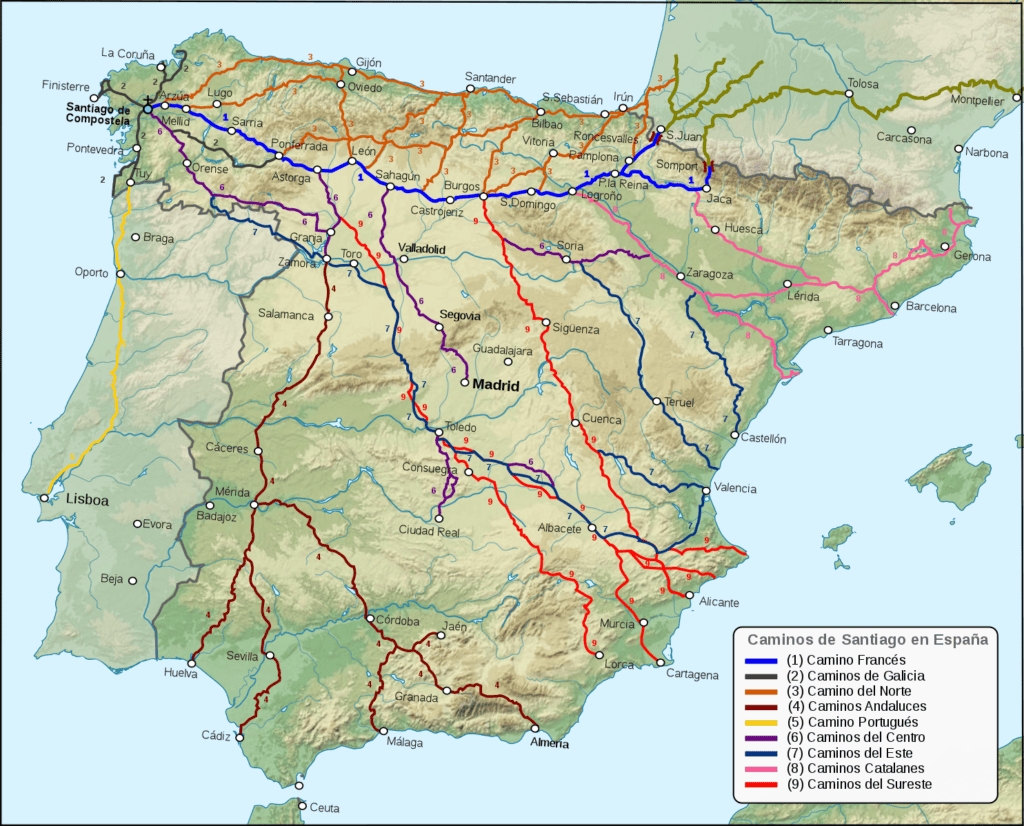
There are thousands of Camino de Santiago routes, but the seven main ones are: Camino Frances, Camino Portuguese, Camino del Norte, Camino Primitivo, Camino Ingles, Camino Finisterre-Muxia, and Via de la Plata.
The most famous is the Camino Frances (the one I did), stretching 500 miles (800 kilometers) from Saint-Jean-Pied-de-Port.
When choosing a Camino route, you’ll want to consider factors like budget, time, difficulty, and available services along the way.
For instance, the Camino del Norte is considered by many to be a tougher route, because it has intense ascents and unpredictable weather.
It’s great if you’re looking for a challenge and looking for solitude.
The Camino Frances, on the other hand, is traveled by nearly 50% of pilgrims. You’ll find it provides a strong sense of community, but you’ll probably get less alone time.
Choose based on the experience you want.
4. Packing Gear

Packing light is key for the Camino! Every ounce of weight makes a difference, seriously.
Multipurpose items, quick-dry clothes, and a reliable backpack are must-haves. I would suggest a 30-40 liter backpack with a breathable, mesh liner to keep your back cool.
Aim for your pack to be 10% or less of your body weight, and remember to weigh it with everything packed in it before you leave home.
If you’re staying in albergues, a quick-dry towel is essential like this one.
Don’t forget your Camino must-have guidebook, which you can find here. And if you’d like to chronicle your journey, snag my 25 free Camino journal prompts.
For a detailed packing list, check out my full Camino packing guide on YouTube.
Remember, less is more on the Camino. Pack smart and keep your load light to make your journey more enjoyable.
Tips While Walking the Camino
5. Take videos, not just photos
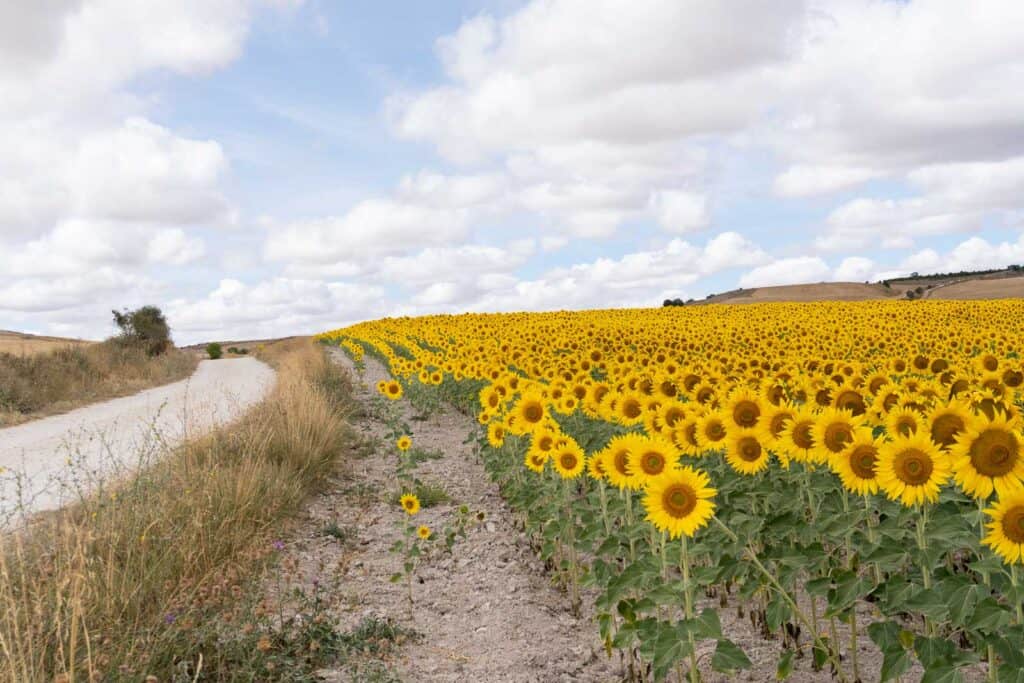
Even if you aren’t making YouTube videos like I was on the Camino, remember to take videos along with photos on your journey. Even just a 5 or 10-second clip can make such a great memory.
So many times, I’d see pilgrims taking photos on their cell phones, which is great.
But down the line, I think you’re really going to want a video that will capture the voices, movements, and sounds of Camino life.
You can even record yourself or take quick voice recordings as a way to journal about the events that happen each day.
It can be exhausting to get out a pen and paper at the end of the day, so making a video journal or voice recording is a really great way to document your adventure.
If you do want to take more than a phone for your videos, I recommend a GoPro or the DJI Osmo Pocket 3 because they’re super tiny and lightweight.
6. The Ultimate Portable Meal – Avocado
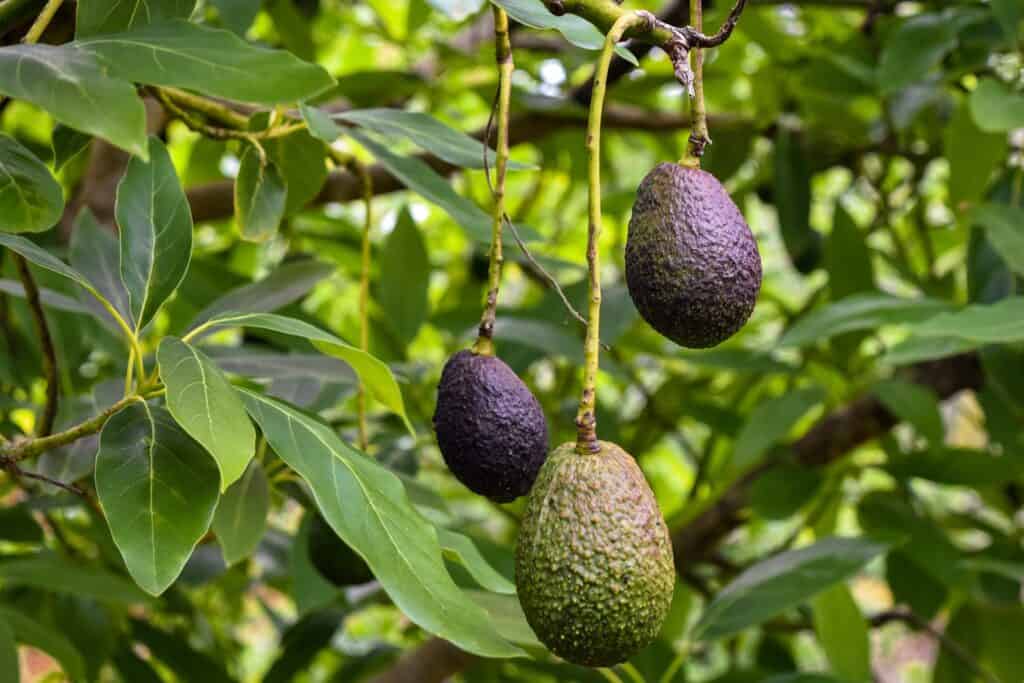
An avocado is your best friend on the trail.
It’s the most transportable and nutritious snack you can have.
A lot of people on the Camino talk about how it can be difficult to eat fruit and vegetables. In the more remote villages of Spain, the cuisine can be very meat and bread-heavy. So, having an avocado on hand can really be a great snack.
If you pack a little bread with you, too, then you can have an avocado sandwich at any given moment.
Now, this does add a little extra weight to your bag, so keep that in mind, and plan accordingly. But if you’re just traveling with it for about 4 hours until lunch, it’s not too bad.
I got this idea from a fellow pilgrim who I saw pull out an avocado and bread in the middle of the day, and I thought it was just absolutely brilliant.
7. Your Pilgrim Passport
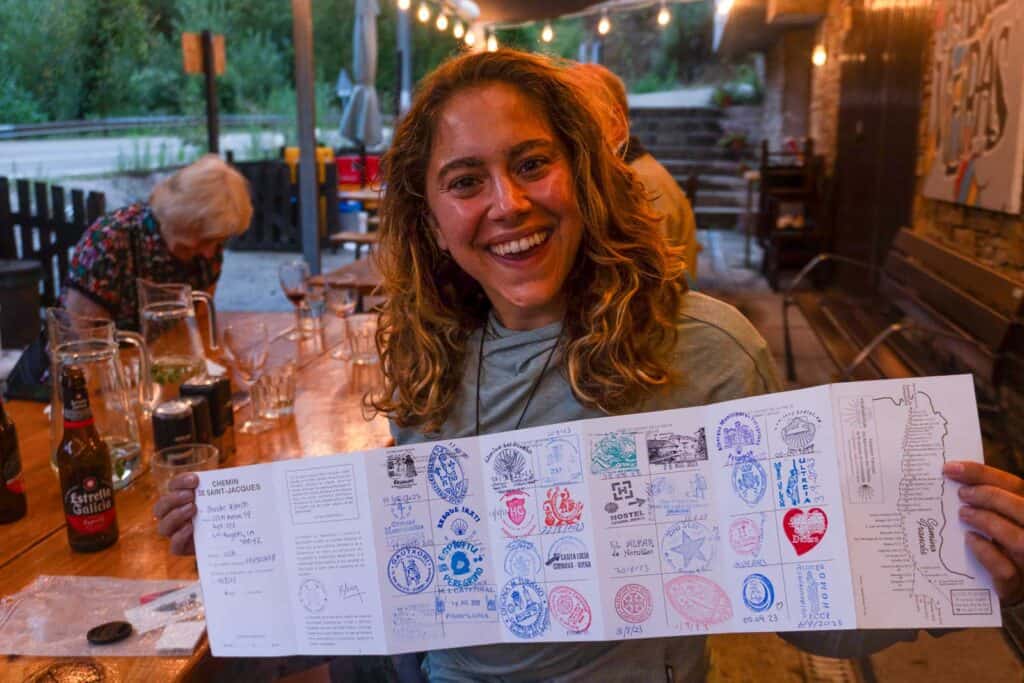
The Pilgrim Passport, or credential, is essential for accommodations and proving your journey was taken on foot.
This little booklet is your key to staying in pilgrim hostels and earning your Compostela.
It gets stamped at each of your overnight stays, as well as at churches, museums, restaurants, cafės, donativos, and other places.
To earn your Compostela, you must collect at least two stamps each day for the last 100km leading up to your arrival in Santiago de Compostela.
Personally, I loved collecting stamps on the Camino. Each one is unique and interesting, making it a fun way to remember all the places I stopped along the way.
You can pick one up in the town where you start your Camino, or at many pilgrim offices along the way.
8. Have cash on hand

While cards are widely accepted in the bigger cities, there are still plenty of albergues, shops and restaurants on the Camino where cash is the only form of payment accepted.
ATMs are not available in every town along the Camino, so you’ll want to plan ahead.
In your pilgrim guidebook or on one of the Camino apps, you can look up the services available in the town you’re heading to that day.
Is there an ATM there? If not, make sure to stop and get cash if you’re running low.
I recommend having at least 50 or 60 euros on you at all times.
9. Be smart about your water
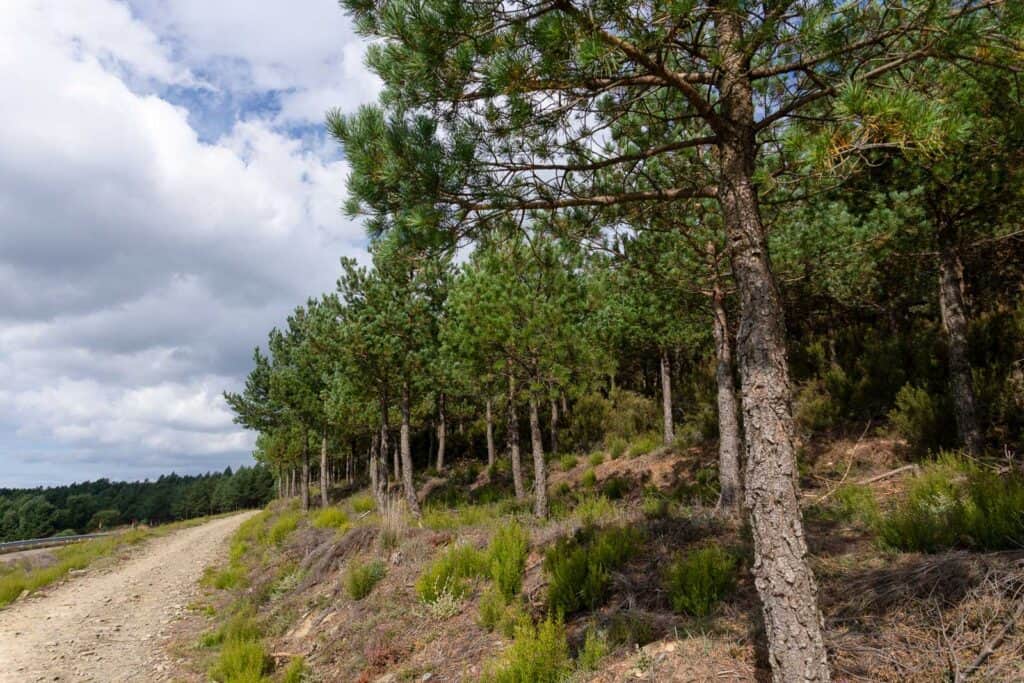
Carrying too much can weigh you down, but too little can leave you dehydrated.
It’s usually a good idea to carry at least 1.5 liters of water on you, and 2 liters if it’s a really hot day over 90 degrees Fahrenheit.
Pay attention to the water refill points, and fill up if you aren’t sure if there’s going to be another fountain soon.
Find a balance and know the distances between water refill points.
What kind of water bottle to bring? I brought the CamelBak hydration bladder, which is great if you prefer sipping through a tube while walking.
But if I were to do it again, I’d bring this 40 oz ultralight steel bottle.
It’s a personal preference – some people like bottles, some people like hydration bladders. Find out which one suits you best, and go with that!
10. Electrolytes are essential
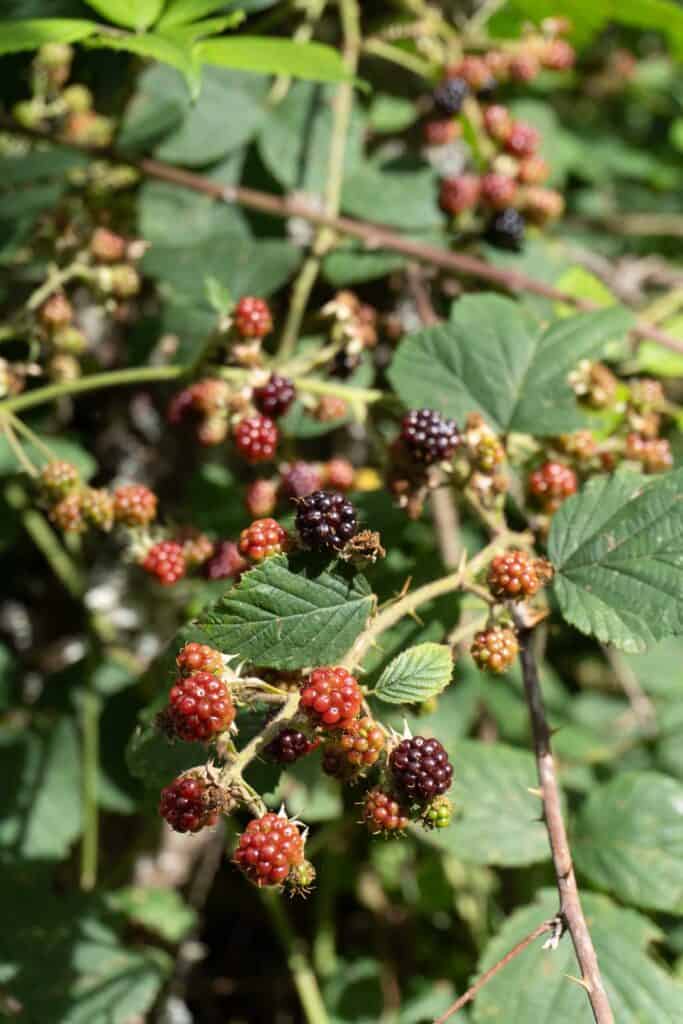
My next Camino tip is about electrolytes. I think it’s a really good idea to add electrolyte packets to your water, especially when it’s hot.
It’s really easy to get dehydrated on the Camino de Santiago because you’re not walking for just 30 minutes in 100-degree heat…. you’re walking for five to eight hours in 100-degree heat.
Before I left for my Camino, my friend gave me some electrolyte packets from a company called Salud.
They have agua fresca flavors, like jamaica and hibiscus, pepino limon cucumber, and mango. They were all sooo good.
I highly recommend bringing these with you because I found it difficult to find electrolyte packets in Spain.
11. Donativo does not mean free
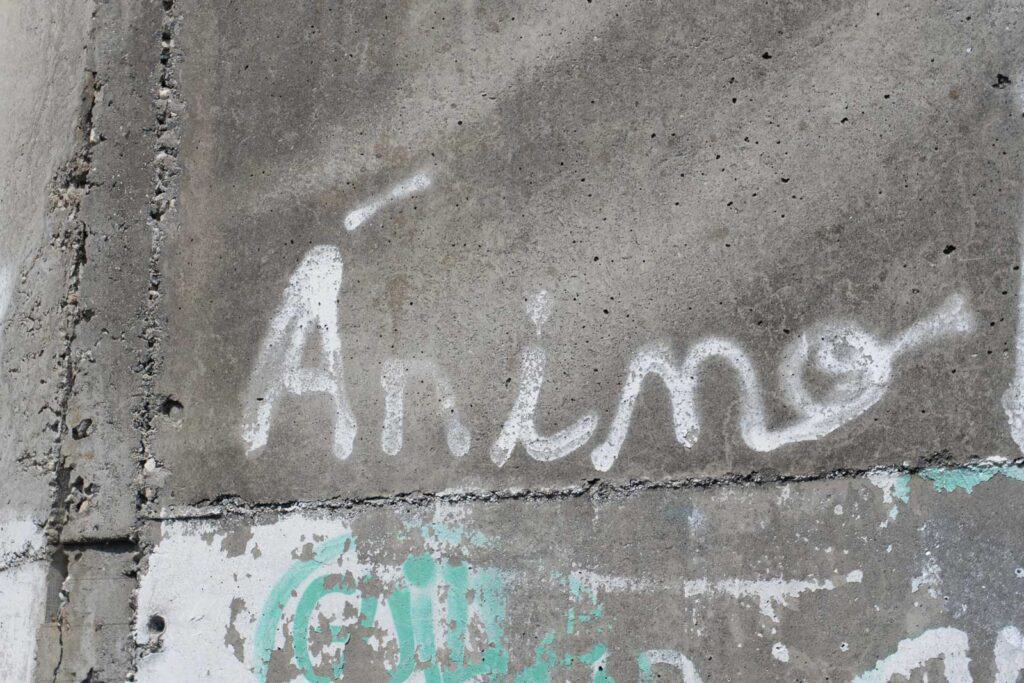
I learned this on the Camino. A donativo stand or donativo albergue does not mean it is free.
It means the people offering these services run on donations.
If you are staying at the albergue or taking some of the offerings, you should pay what you can, typically a few euros, anywhere from 2 to 20 euros.
It is a sign of respect to the people who come out to offer food or other services to pilgrims.
12. Don’t rush
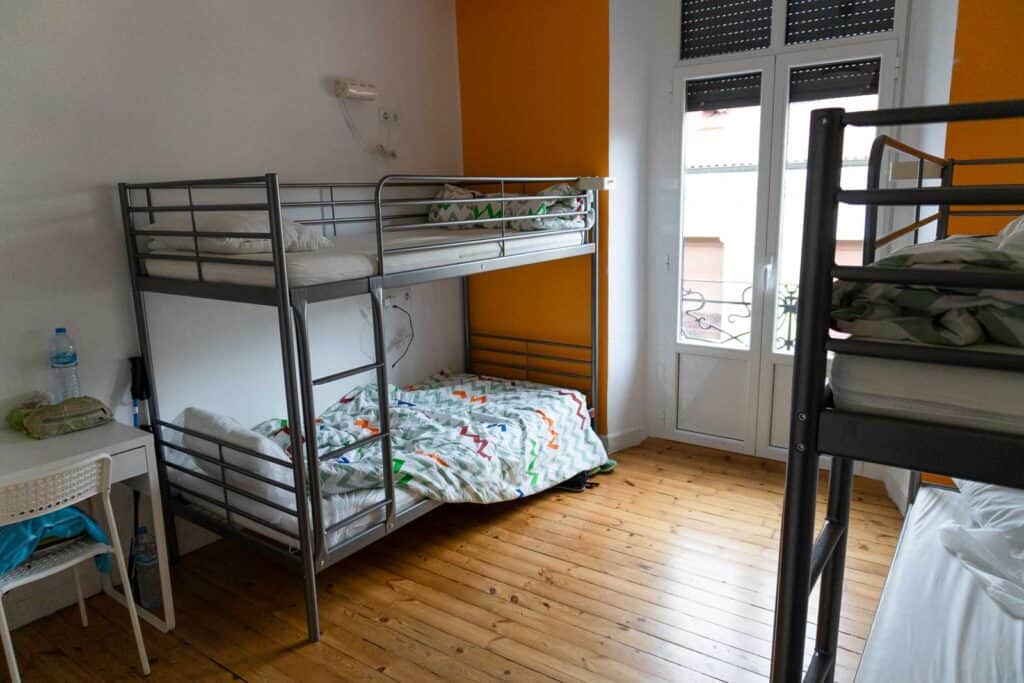
Enjoy the journey. When you walk the Camino, you learn that it’s really less about getting to Santiago, and more about the journey there.
On my Camino, I would try to stop to admire the views, smell the flowers, and taste the blackberries along the way while also being mindful of the time of day and how much farther I had to walk.
So many people on the Camino want to rush and make it to their albergue for the day, but I found that taking a few breaks to explore things along the way was where I found a lot of Camino magic.
This is also a good reason I like making reservations at my albergue, a few days or at least the night before, to ensure there’s a bed waiting for me.
Camino de Santiago Tips for After Finishing the Camino
13. Securing Your Compostela

After arriving in Santiago, the first thing you’ll want to do is celebrate in front of the iconic cathedral—it’s a moment you’ll never forget!
Once you’ve soaked in the atmosphere, head over to the Pilgrim Office to secure your Compostela.
The office is located at Rua das Carretas, 33, just a couple of blocks from the cathedral. You can easily find it by searching “Pilgrim’s Reception Office” on Google Maps.
To make the process smoother and reduce your wait time, I highly recommend filling out the pre-registration form a few days before you arrive.
You can find the form here. This will get you into the system and speed up your visit.
Getting your Compostela is the final stamp of your journey, a beautiful certificate that recognizes your incredible achievement. Enjoy the moment—it’s well-deserved!
14. Try journaling about your experience
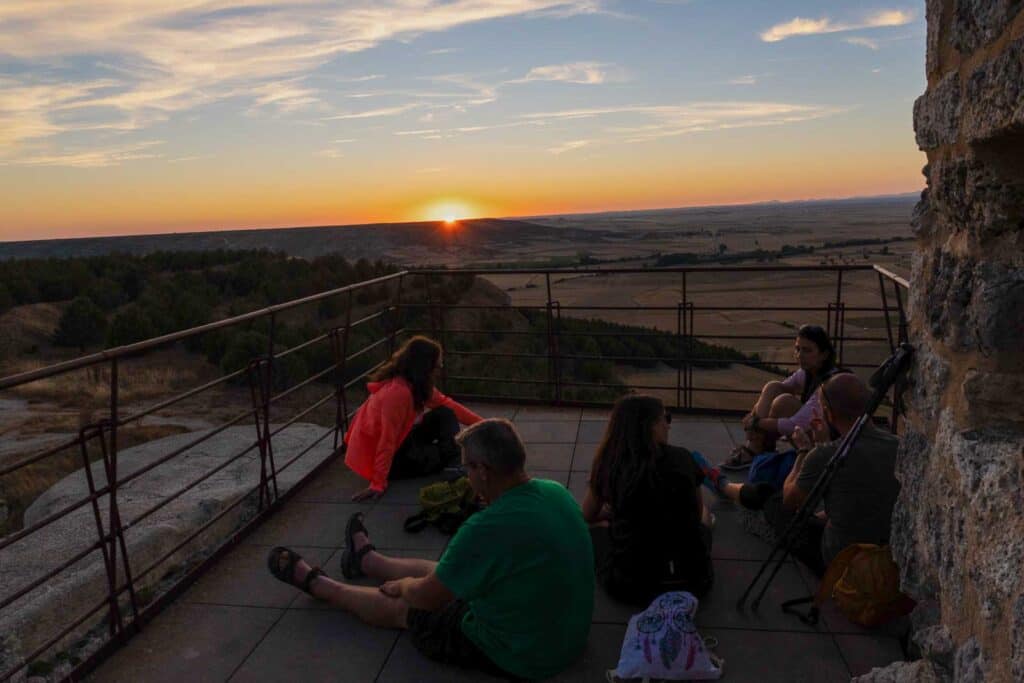
After your Camino, you’ll likely feel a flood of emotions—exhilaration, relief, nostalgia, and maybe even sadness. I know I did.
Processing these emotions is important, and journaling is a fantastic way to do it.
Writing about your journey can help you reflect on the experience and preserve those precious memories.
Capture your post-Camino reflections with my free journal prompts! 🌟
If you didn’t bring a journal with you from the start, don’t worry—now is the perfect time to start. You can easily find a nice journal in a souvenir shop in Santiago, or download my prompts and print them off before leaving.
Take a moment to jot down your thoughts, feelings, and the unforgettable moments you experienced on the Camino.
This simple act can be incredibly therapeutic and will give you a tangible keepsake to look back on.
15. Don’t dive straight into work when you come home
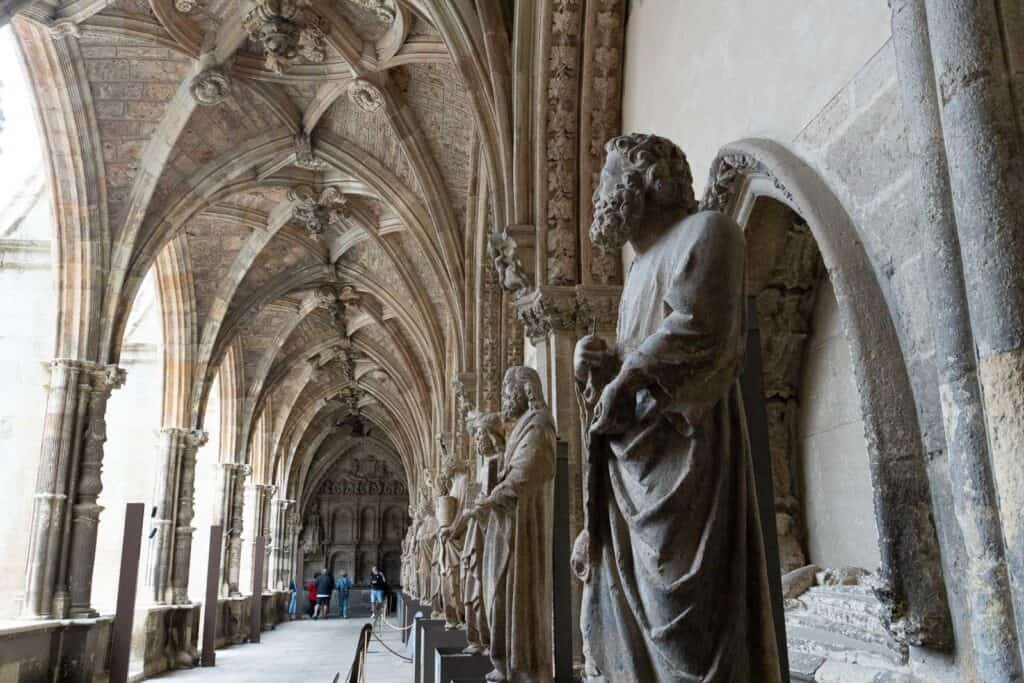
I know this isn’t possible for everyone — it’s already a privilege to take 2 weeks, 30 days, or even more time off work to walk the Camino, especially for us Americans, who so rarely get extended time off.
But if you can, try to save a few days when returning home to adjust back to your life.
The transition back to normal life can be a bit jarring after the profound experience of the Camino. Try to allow yourself a few days of downtime to ease back into your routine.
Whether it’s quiet reflection, catching up on rest, or simply enjoying the comfort of home, this adjustment period can really help.
It’s then that you’ll realize the Camino truly never ends — it continues on.
Final Thoughts on the Camino and Next Steps
From getting the right gear and planning your route to collecting pilgrim stamps and journaling about your adventures, I hope these Camino tips have helped you prepare for your adventure.
Remember, the Camino is not just about reaching Santiago. It’s about the journey, the people you meet, and the memories you create along the way.
Take your time and savor each moment. If you’re looking for more advice, like accommodation options, head over to my detailed guide on where to stay on the Camino Frances.
Buen Camino, friends! 🌟
Read More:
- Where to Stay on the Camino Frances: My FULL Accommodation List as a Solo Female Pilgrim
- I Tried Lingopie for 2 Weeks & Now I’m Spilling the Tea — A Lingopie Review
- 5 tips for visiting Pompeii in one day
Planning a trip right now? A few of the top resources I use every time I plan a trip:
🏨 Booking.com for great deals on hotels.
🎟️ GetYourGuide for incredible tours around the world.
🌍 World Nomads for travel insurance that has your back.
