
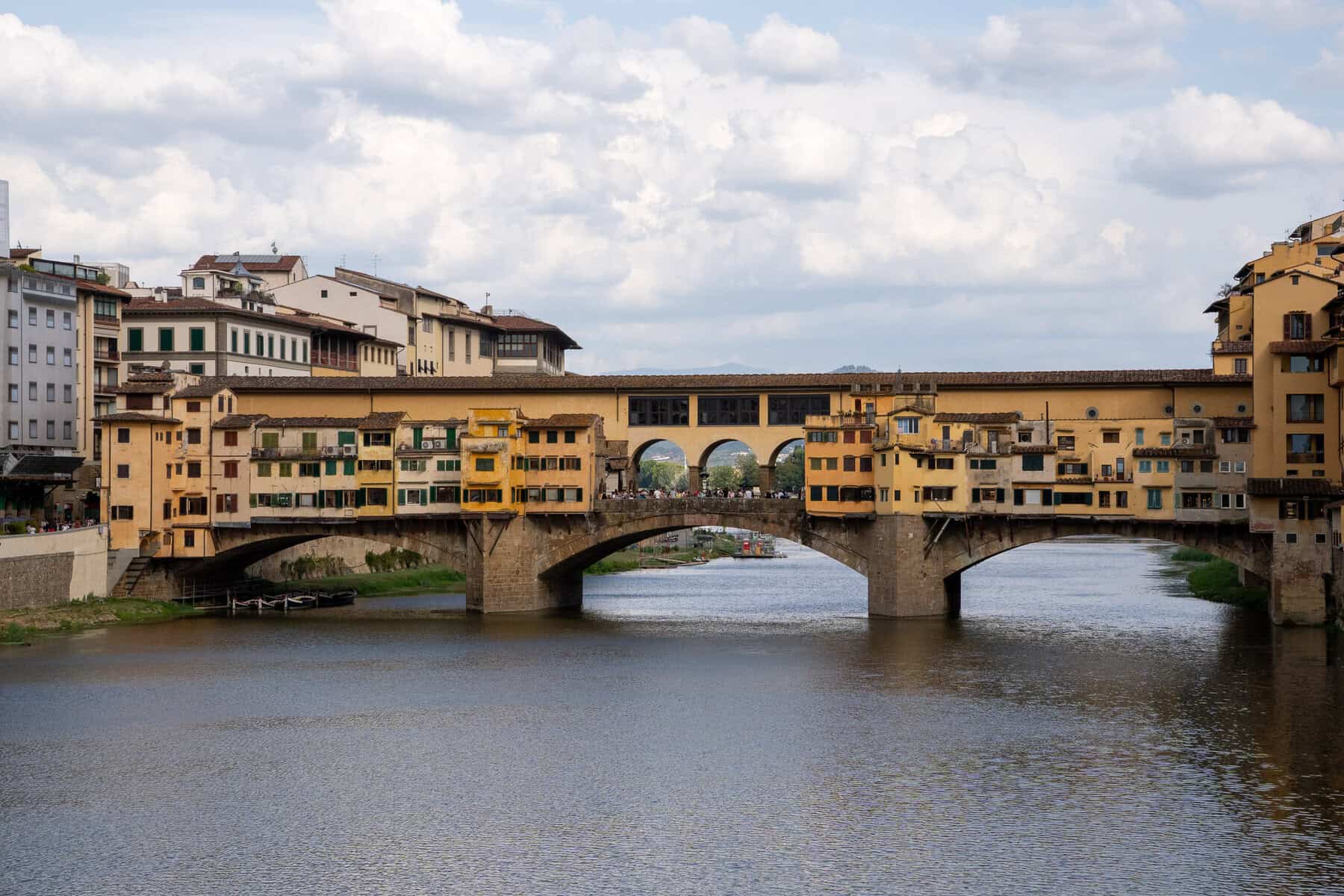
Living in Florence, Italy: My REAL Experience Moving Abroad Alone
I moved to Florence, Italy, alone in my 30s. And as romantic as that sounds, I can promise you my first week here was anything but picture-perfect.
There was a taxi strike, what felt like endless rain, and the wonderful experience of carrying my suitcases up three flights of stairs. Alone.
Welcome to my glamorous new life in Italy! 😂
Despite that rather chaotic introduction, moving to Florence has turned out to be one of the best decisions I’ve made.
But here’s the thing: Living in Florence, Italy, is very different from visiting as a tourist.
After spending 15 years in Los Angeles, 10 months living on the Italian island of Sardinia, and now building a life in Florence, I’ve learned quite a bit about what it takes to start over in another country.
If you’re considering moving to Florence, I want to share my honest experience, including why I chose this city, what I love about living here, and some of the realities that don’t always make it onto Instagram.
Because while life in Italy can be pretty wonderful, it’s still real life.
Why I Decided to Move to Florence, Italy

Before moving to Florence, I spent about 10 months living in Sardinia, from January to November 2025.
I originally moved to Italy to pursue Italian citizenship through descent, thanks to my Italian great-grandparents. After years of dreaming about living abroad, I finally decided to take the leap.
Sardinia was an incredible place to begin that chapter.
I lived in Alghero, a beautiful coastal town in northwestern Sardinia, where I eventually built an amazing group of friends. We spent the summer enjoying the Mediterranean Sea, exploring the island and making memories I’m seriously going to remember forever. It was a pivotal year.
But those first few months in Alghero were also pretty isolating.
There weren’t many English speakers around, and adjusting to life in a relatively small Italian town required me to get really comfortable with being uncomfortable.
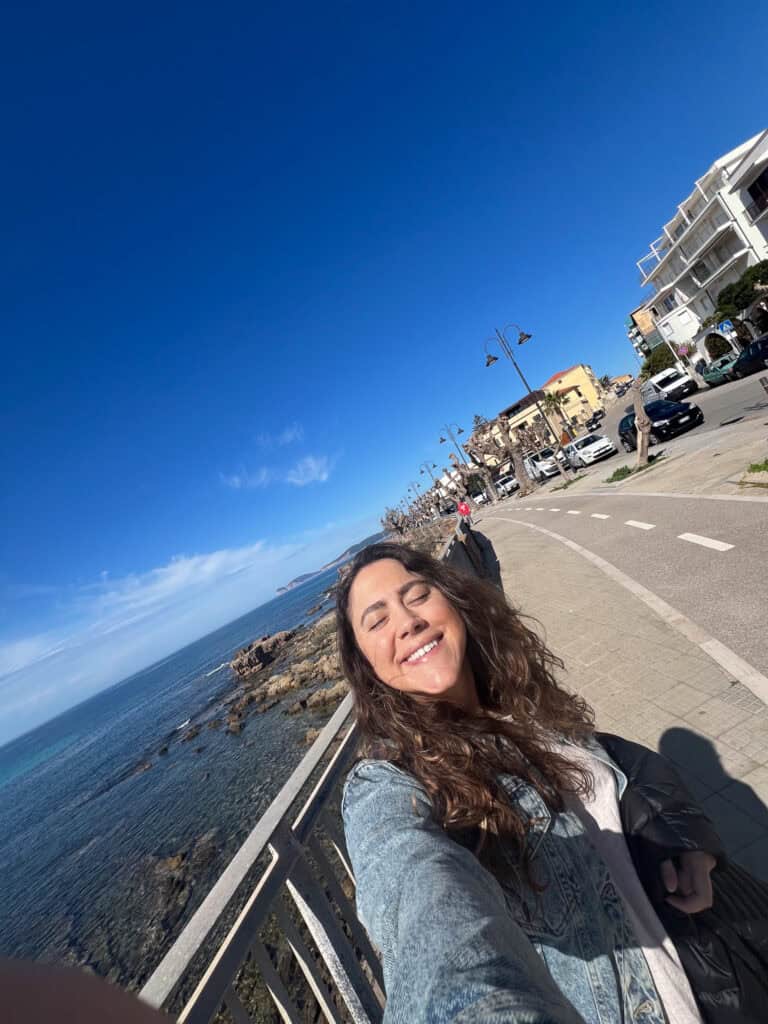
As much as I loved Sardinia, I eventually realized it wasn’t the most practical place for me to settle long term.
I’m self-employed and work remotely, which means I spend a lot of time working alone. I wanted to live somewhere with a larger international community, more opportunities to meet people, and better transportation connections.
Being able to travel easily around Europe and fly back to see family in the U.S. was also important to me.
So, I started looking at cities on the Italian mainland.
⚜️ Dreaming of moving abroad, but not sure how you’d support yourself financially?
One of the biggest reasons I was able to move to Florence was because I’d already built a freelance business that allowed me to work remotely. If you’re dreaming of doing the same, I created a free Freelance to Freedom Workbook to help you start building your own location-independent income.
✨ Get my free Freelance to Freedom Workbook →
Florence vs. Bologna: How I Made My Decision

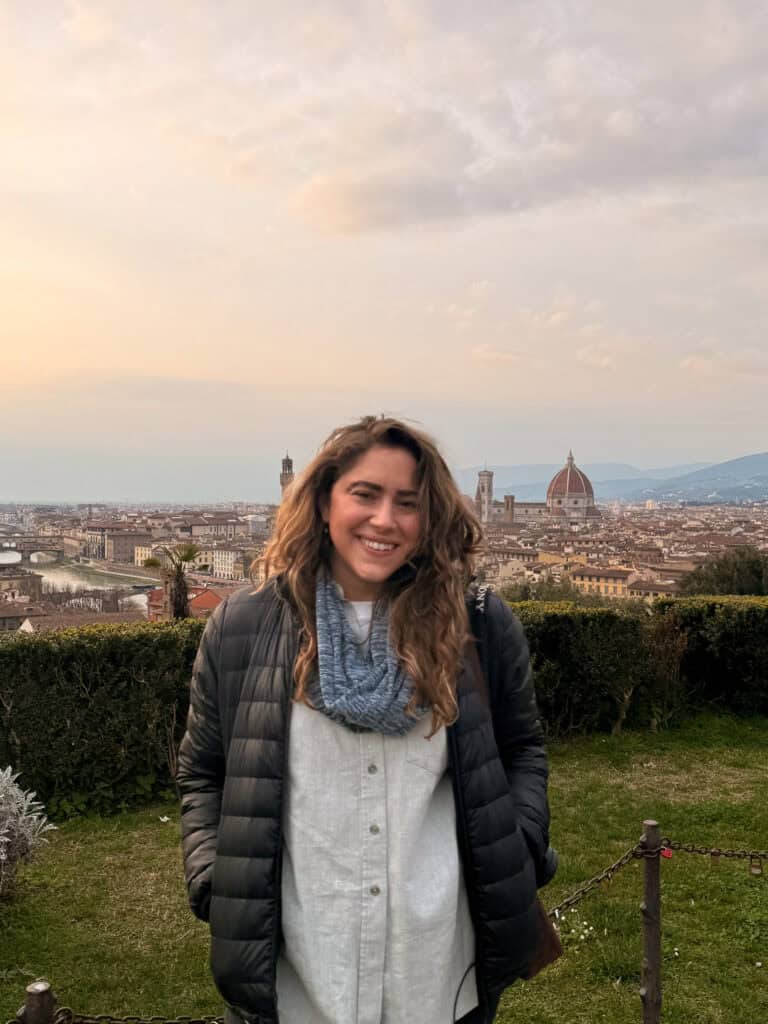
For a while, I was torn between Bologna and Florence.
Bologna is an incredible city with a lively atmosphere and a fantastic food scene. I spent quite a bit of time considering whether it might be the right place for me.
In the end, Florence won.
I wanted somewhere walkable, culturally rich, and international, while still feeling manageable in size.
Florence seemed to offer that balance.
And while I certainly didn’t know exactly what life would look like here, I had a feeling it could be the right place to start my next chapter.
What I Love About Living in Florence, Italy
1. Florence Is an Incredibly Walkable City
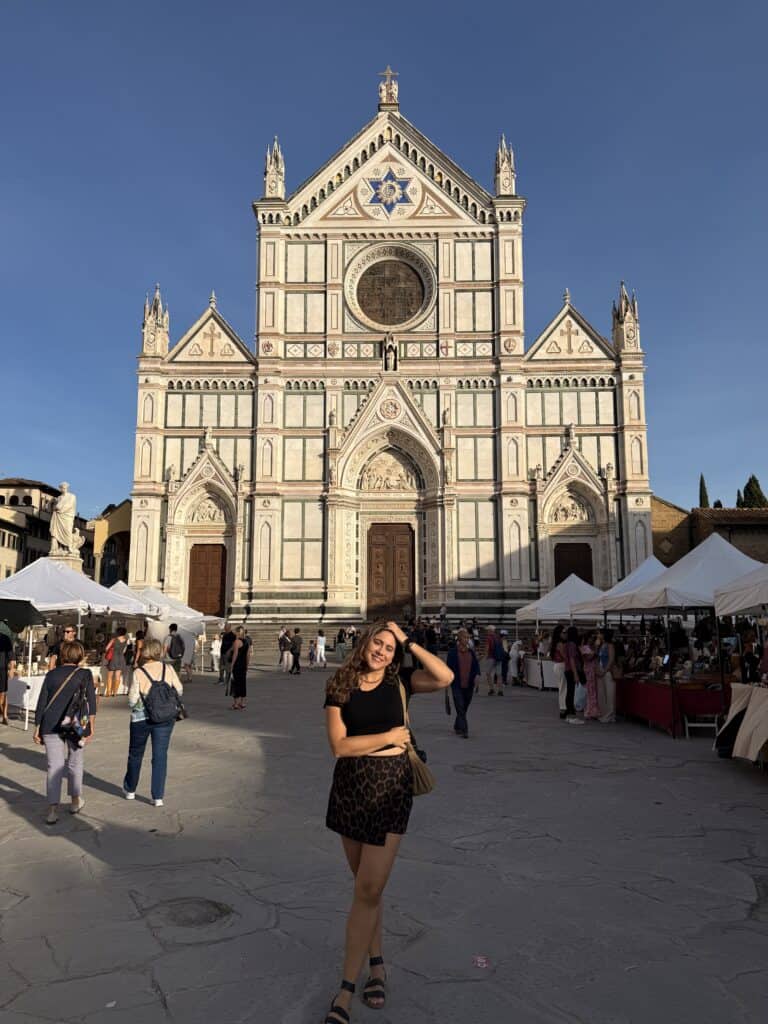
After 15 years of living in Los Angeles, I was completely over driving everywhere.
Don’t get me wrong. There are plenty of things I loved about living in LA, but spending hours sitting in traffic just to meet a friend for coffee wasn’t one of them.
One of my favorite things about living in Florence is that I don’t need a car.
Florence is relatively compact, especially compared to cities like Rome, and I can get around most places on foot. Most visitors here are able to see most of the main attractions in Florence with a 3-day itinerary.
And if I do have to go across town, there’s a public transportation network of buses and trams.
It’s such a refreshing change to be able to leave my apartment, walk through beautiful historic streets, and get on with my day without worrying about parking or traffic.
It’s a small lifestyle change that has made a surprisingly big difference in my quality of life.
2. It’s Possible to Make Friends in Your 30s
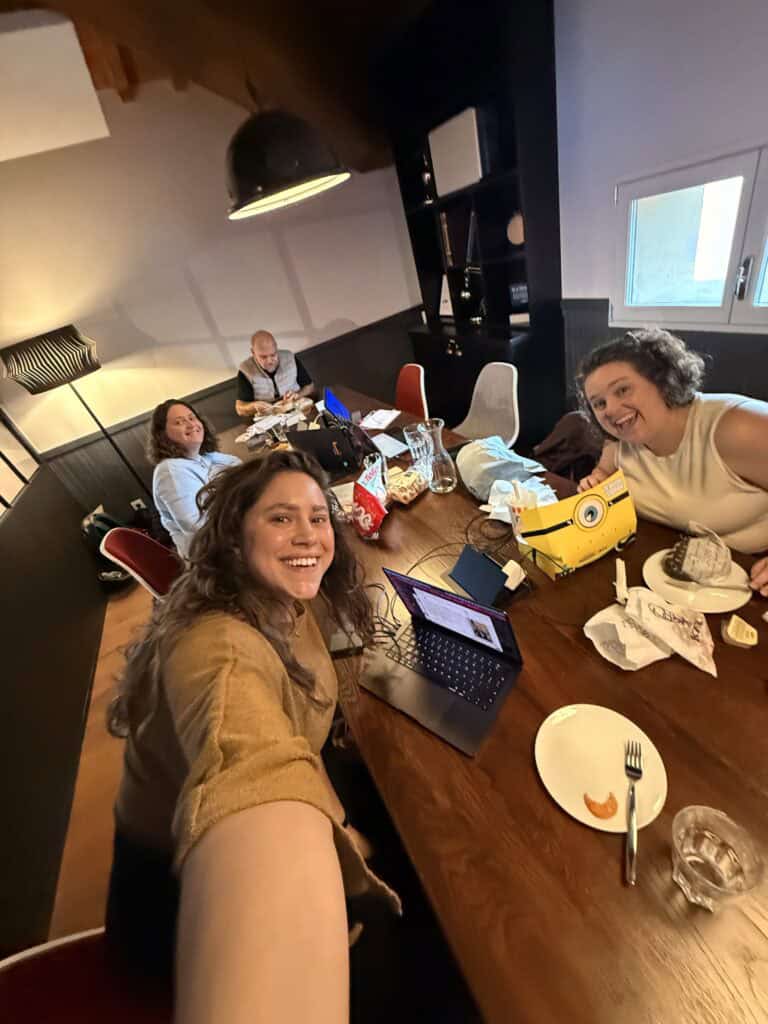
One of my biggest concerns about moving to Florence alone was making friends.
Moving to a new city in your 30s is a completely different experience from doing it in your 20s. People are in different phases of life. Some are married, others have children, and everyone’s schedules seem to be permanently full.
And when you work remotely, you don’t get to have coworkers inviting you to aperitivo hour.
The great thing is, at least in my experience, it’s been easy for me to meet new people in Florence constantly. There are so many international people, language exchanges, social events, and meetup groups.
Facebook groups have also been surprisingly helpful – I’ll link a few right here: Expats in Florence (and rest of Tuscany), Florence Female Social Club, Living In Florence, and Florence | Girl Gone International.
I’ve connected with people both on FB and Instagram, and then met up with them for coffee in person.
During my first couple of weeks in Florence, I attended an event hosted by Saporita, a social supper club where you purchase a ticket and enjoy dinner with other people.
It was a great way to meet new people, and I’m so glad I went!
I’ve since made some wonderful friendships, which have made the transition to living here so much easier.
My advice about making new friends in Florence? Don’t wait for friendships to happen organically. Get out there! Go to the event or sign up for a language exchange.
Then, when you meet people, ask for their IG or WhatsApp, and be the one to initiate!! Ask them to grab a coffee.
It’s a little awkward putting yourself out there, especially when you’re new to a city, but that’s often how the best connections begin.
⚜️ Insider Tip: Living Alone in Florence as a Single Woman
Moving to another country alone in your 30s can feel intimidating, especially when you’re starting over without a partner or an established support system. There have definitely been moments when I’ve wished I had someone to help me navigate the challenges of settling into a new country. But there’s also something incredibly empowering about creating a life that’s entirely your own.
I’ve loved having the freedom to explore Florence at my own pace, meet new people and build a routine that feels right for me. It’s not always easy, but I’m learning that I don’t have to wait for someone else to start living the life I want ❤️
3. The Art, History and Culture Never Get Old

There’s a reason millions of people travel to Florence every year. It’s an incredibly beautiful city with a staggering amount of art and history.
And one of the best parts about living here is that I can experience it slowly, rather than trying to squeeze everything into a three-day itinerary.
Instead of rushing from museum to museum, I can visit an exhibition whenever I feel like it.
I can take my time wandering through neighborhoods, discovering beautiful architecture and learning about the city’s history ⚜️
There is something special about having all of this culture right outside your doorstep. I’ve been here for almost a year, and I still feel like I’ve barely scratched the surface. I’ve been to the Uffizi four times, but I still have so many more museums to explore.
That’s one of the things I love most about slow travel and living abroad: You get to know a place beyond its most famous attractions.
4. The Food Is Absolutely Incredible
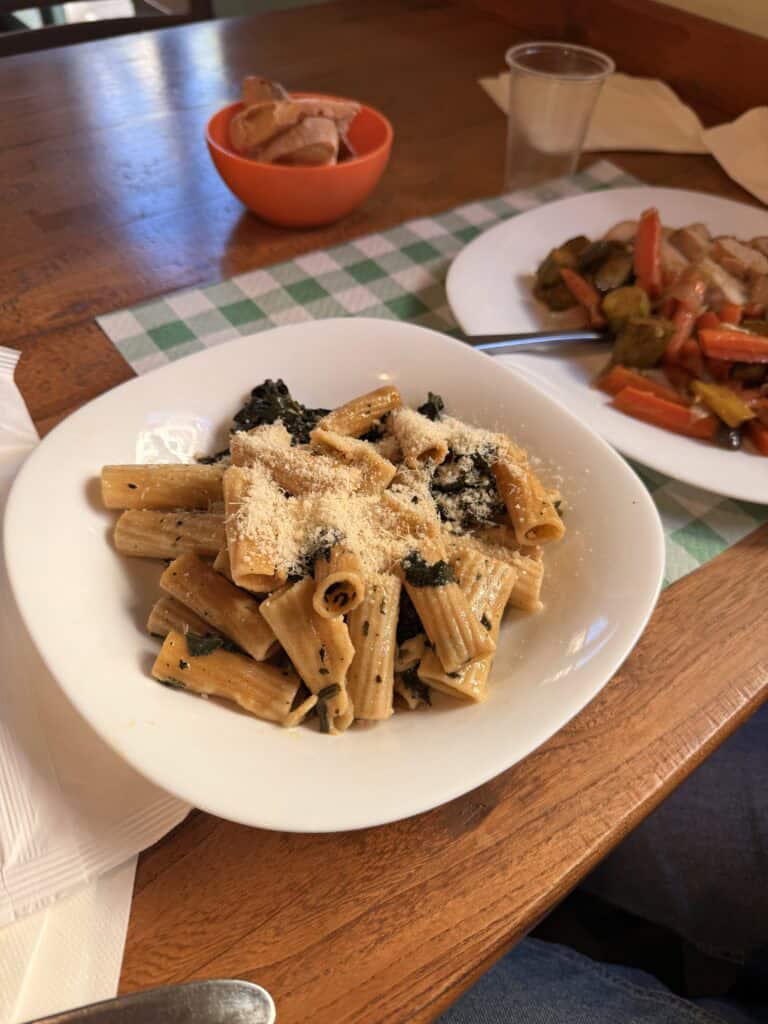
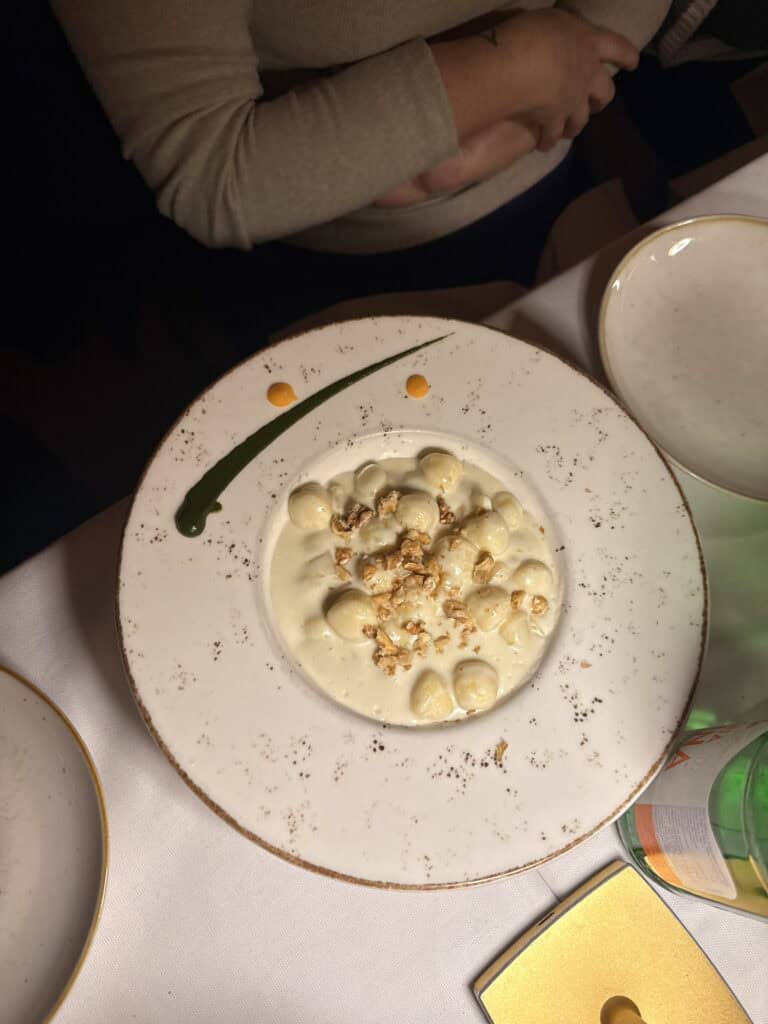
I knew the food in Florence would be good. I just didn’t realize how good.
One of my favorite traditions since moving here has been going out for a monthly girls’ dinner with my friends.
Every month, we try a different restaurant, and somehow I’m still constantly amazed by how delicious everything is.
I’ve especially enjoyed discovering traditional Tuscan dishes like ribollita, a hearty vegetable and bread soup, and schiacciata, Tuscany’s beloved flatbread.
There’s also something really special about gradually learning the food traditions of the place you call home.
Instead of eating at restaurants recommended for tourists, I’m discovering places through local recommendations and conversations with friends.
And honestly, I don’t see myself getting tired of Italian food anytime soon.
5. Florence Is an Amazing Base for Exploring Tuscany
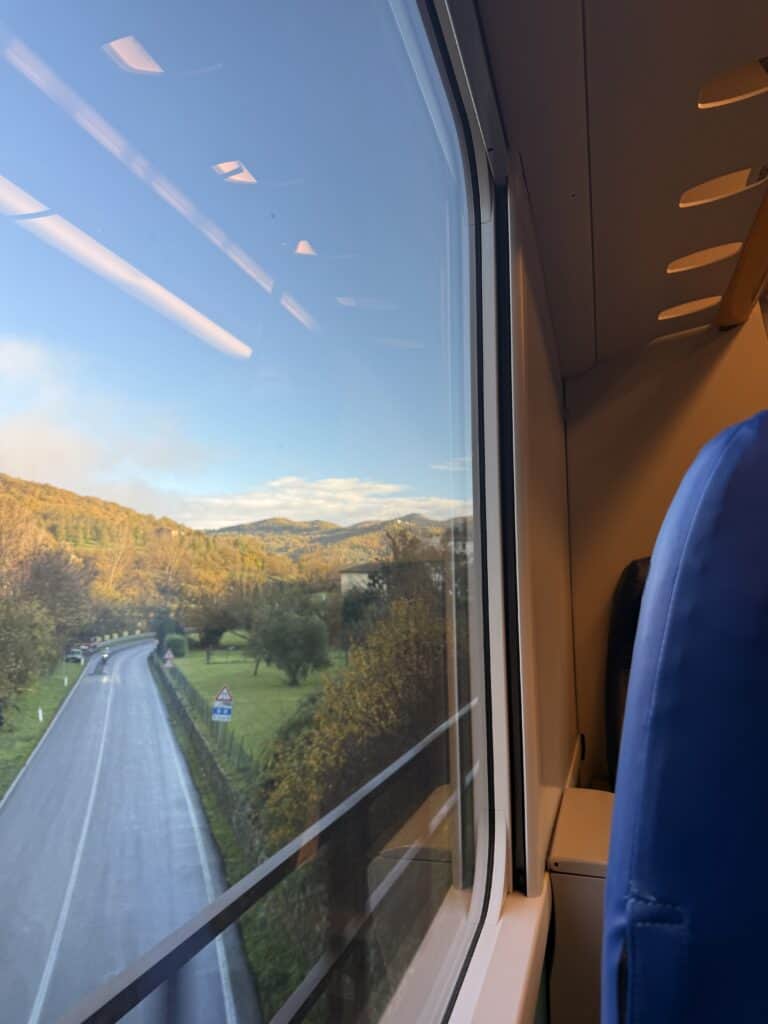
Another major advantage of living in Florence is its location. You’re surrounded by Tuscany, one of the most beautiful regions in Italy, with countless opportunities to explore.
Want to visit another city for the day? Hop on a train.
When I filmed my YouTube video about moving to Florence, I actually took a day trip to Livorno, a coastal city about an hour to an hour and a half away by train, depending on the service.
Despite being relatively close to Florence, Livorno has its own distinct character, dialect, culture, and local traditions.
It’s a reminder of just how diverse Italy is. And while I’m still discovering Florence itself, I love knowing there are so many other places nearby waiting to be explored too!
The Downsides of Living in Florence, Italy
As much as I love living here, I don’t want to paint an unrealistic picture. Florence is beautiful, but it isn’t perfect.
There are some challenges worth considering before packing your bags, changing your whole life, and booking a one-way flight.
1. Overtourism Is a Real Problem
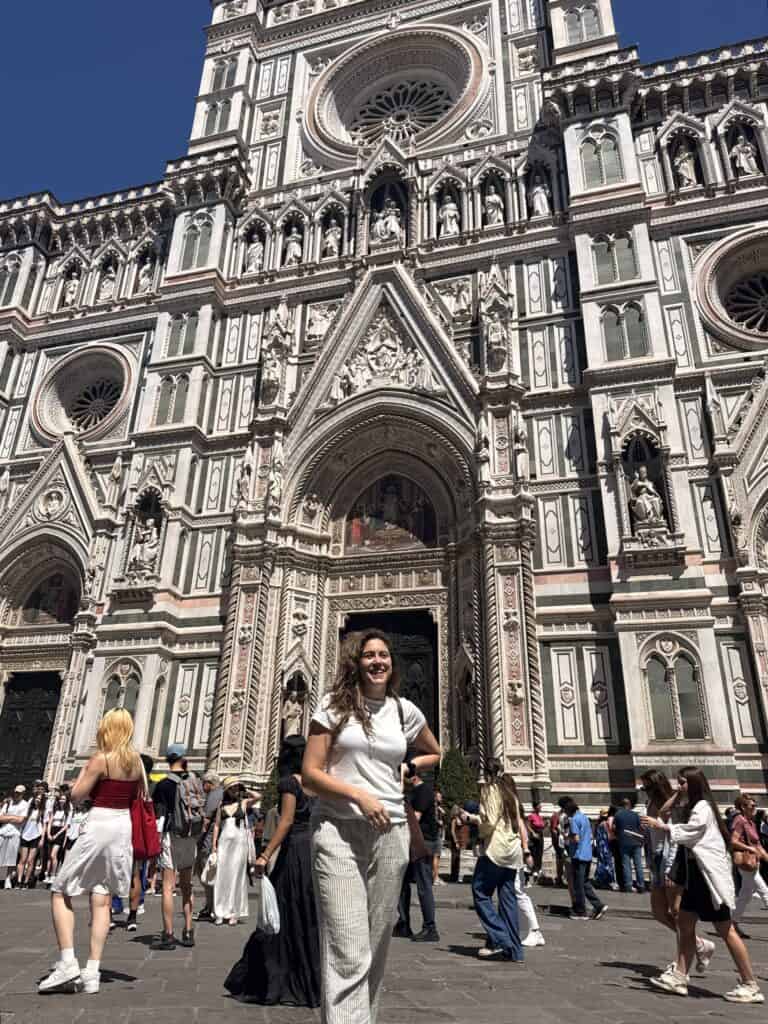
I knew Florence was popular with tourists before moving here. What I didn’t fully appreciate was how much tourism affects everyday life.
The historic center can become overwhelmingly crowded, especially during peak travel periods.
And when you actually live somewhere, those crowds aren’t just part of a vacation experience. They’re something you navigate while going about your daily life.
Mass tourism has also contributed to broader conversations about housing affordability, the availability of long-term rentals, and the changing character of local neighborhoods.
As someone who moved here from another country, I think it’s important to acknowledge that reality.
I’m a firm believer that immigrants can make communities stronger, but that doesn’t mean we’re exempt from thinking about our impact, especially if you’re coming from a country with a stronger economy than Italy’s.
If you’re considering moving to Florence, I encourage you to approach the city with respect for the people who already call it home.
A few ways you can do that is by learning Italian, supporting independently owned businesses and local artisans. Take the time to understand the customs and culture.
You don’t have to be Italian to contribute positively to your new community. But I do think we all have a responsibility to make an effort, myself included.
2. Finding an Apartment in Florence Isn’t Easy
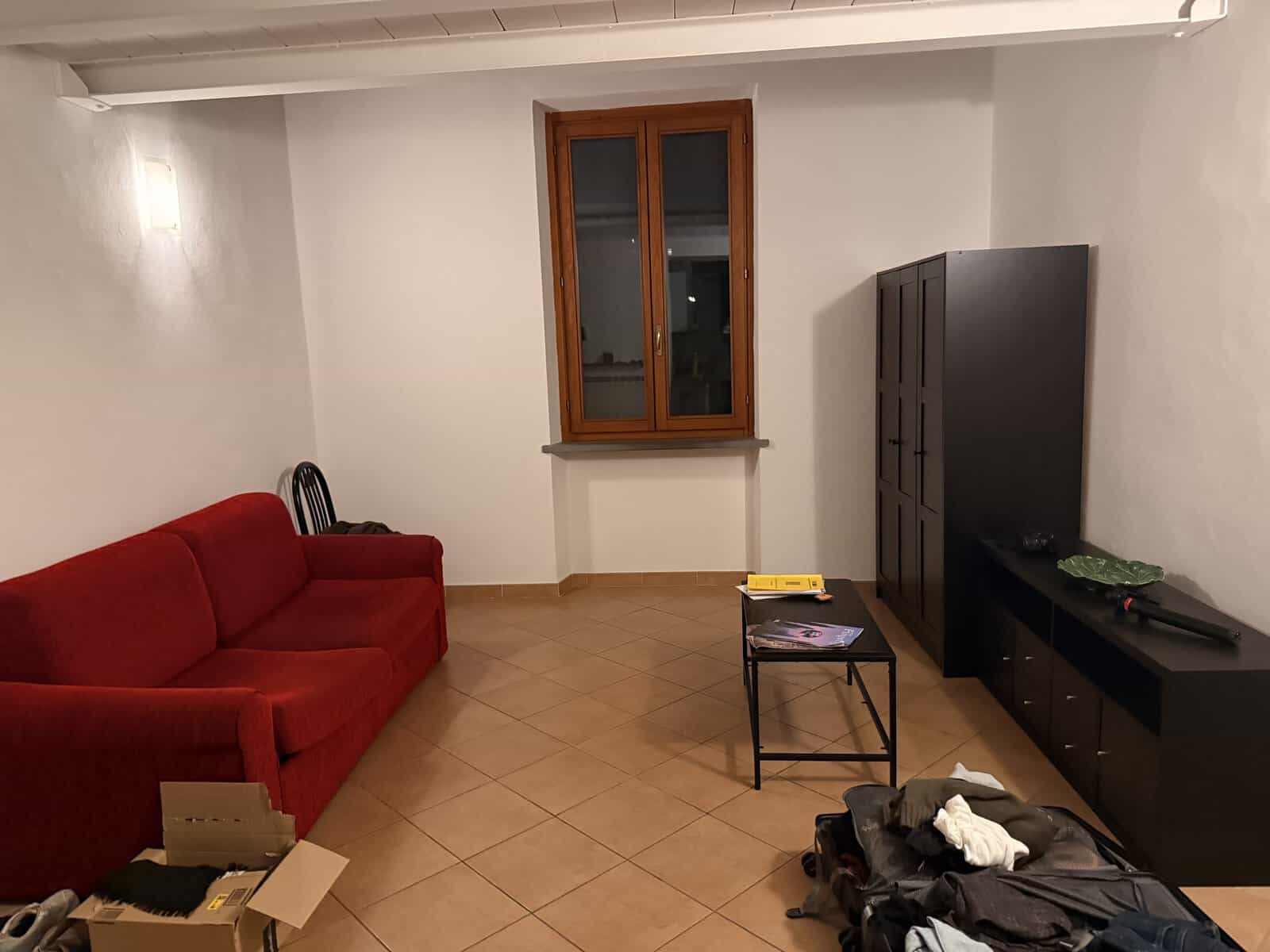
Finding an apartment in Florence was an adventure in itself. I decided to use a real estate agent to find an apartment because a friend had done the same.
Before my landlord would agree to rent to me, she actually wanted to call a local friend of mine to see if they had mutual acquaintances. The problem was I had just moved here and barely knew anyone!
Then she wanted on meeting me in person, which felt less like renting an apartment and more like an interview. It was quite stressful at the start, but in the end, it’s been lovely. She’s been very kind to me since then.
Between the competitive rental market, high prices and navigating everything in Italian, apartment hunting can be challenging, especially as a foreigner.
I eventually found a place I love, but it definitely required some patience!
3. Italian Bureaucracy Can Be Frustrating
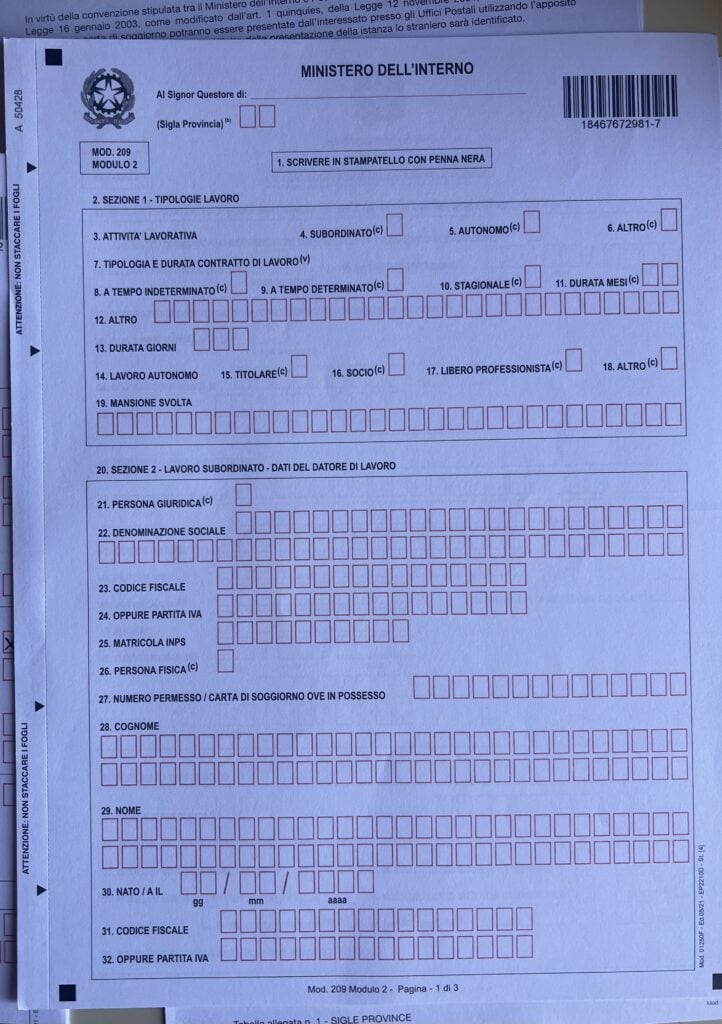
Ah, Italian bureaucracy.
Where do I even begin?
If you’ve ever dealt with paperwork in Italy, you probably know that things don’t always happen quickly or efficiently.
From residency registration to immigration paperwork and other administrative requirements (all in Italian), moving to Italy can involve a considerable amount of patience.
I experienced this firsthand while applying for Italian citizenship in Sardinia.
And while Florence has many advantages, completing administrative procedures in a busy city can present its own challenges.
My advice is to connect with other foreigners who have already gone through the process.
Local expat groups can be incredibly helpful for finding recommendations, understanding what documents you might need and figuring out which offices to contact.
You can also hire immigration or relocation consultants if you need professional assistance. Just remember that someone else’s experience with Italian bureaucracy might be completely different from yours.
4. You Can Get By With English, but Learning Italian Matters
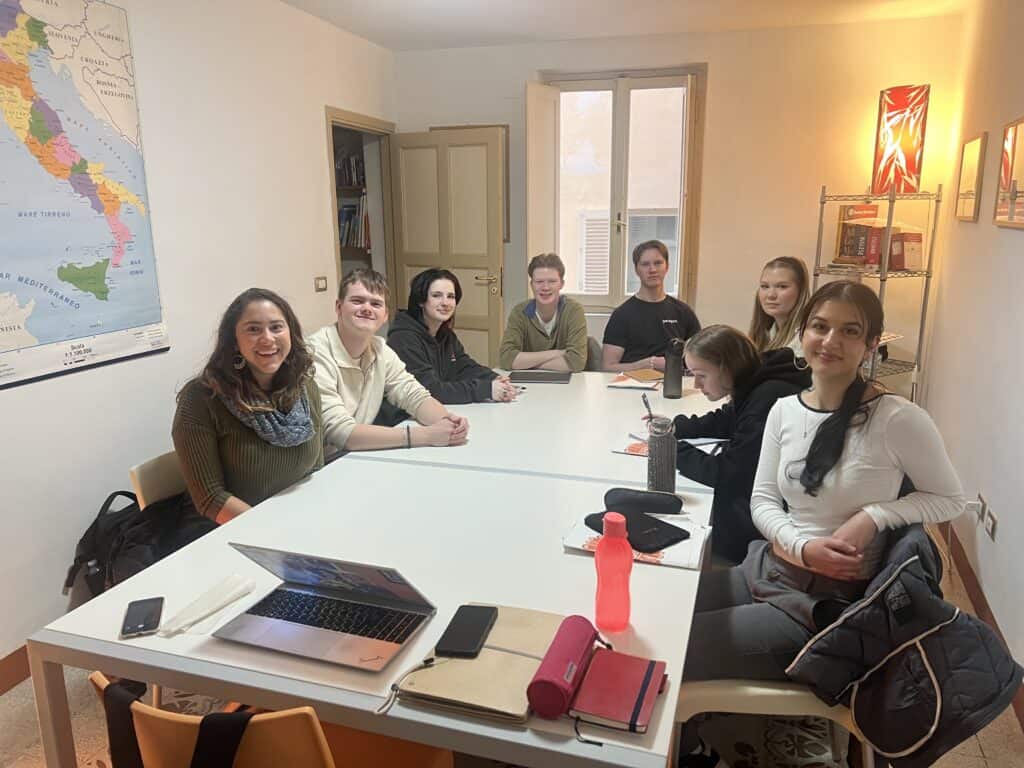
One advantage of living in Florence is that there are plenty of English speakers.
Because the city attracts tourists, international students and foreign residents, it’s possible to navigate many everyday situations without speaking fluent Italian.
But here’s my take: Just because you can get by speaking English doesn’t mean you should stop there.
One of my biggest motivations for moving to Italy was learning another language and becoming more immersed in Italian culture.
And I’ve realized just how much learning Italian can improve your experience of living here.
It gives you more independence, makes everyday interactions easier and opens the door to connecting with people outside the international community.
I’m still very much a work in progress!
There are plenty of times when I stumble over my words or have to ask someone to repeat themselves.
But that’s part of the process.
I’ve been taking one-on-one Italian lessons online with a tutor through Preply, and having consistent practice has made a huge difference.
What I particularly appreciate is being able to work with the same tutor over time. She knows my strengths and weaknesses, tailors our lessons to what I need and has endless patience when I struggle with something.
And believe me, there’s plenty of struggling.
If you’re planning to move to Florence, I’d strongly encourage you to start learning Italian before you make the move.
4. Cost of Living in Florence
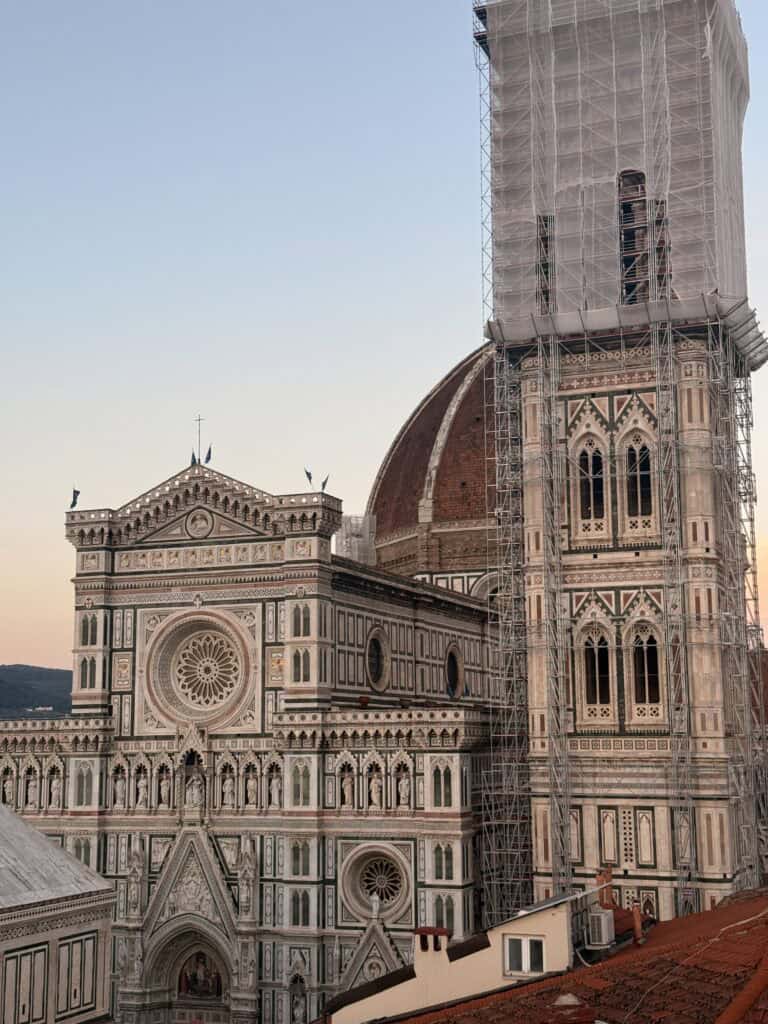
One thing that surprised me about living in Florence is that it’s not necessarily the affordable Italian dream you might imagine. I currently pay €1,200 a month in rent, plus €200 in utilities, and that’s before groceries, transportation and everything else.
While many everyday expenses (groceries, dining out) feel more affordable than they did in Los Angeles, housing in Florence can be very expensive, especially if you’re earning a typical Italian salary.
Having a freelance business with international clients has given me more financial flexibility, but I’d definitely recommend researching the cost of living and having a realistic budget before making the move. The costs quickly add up.
How to Move to Florence, Italy
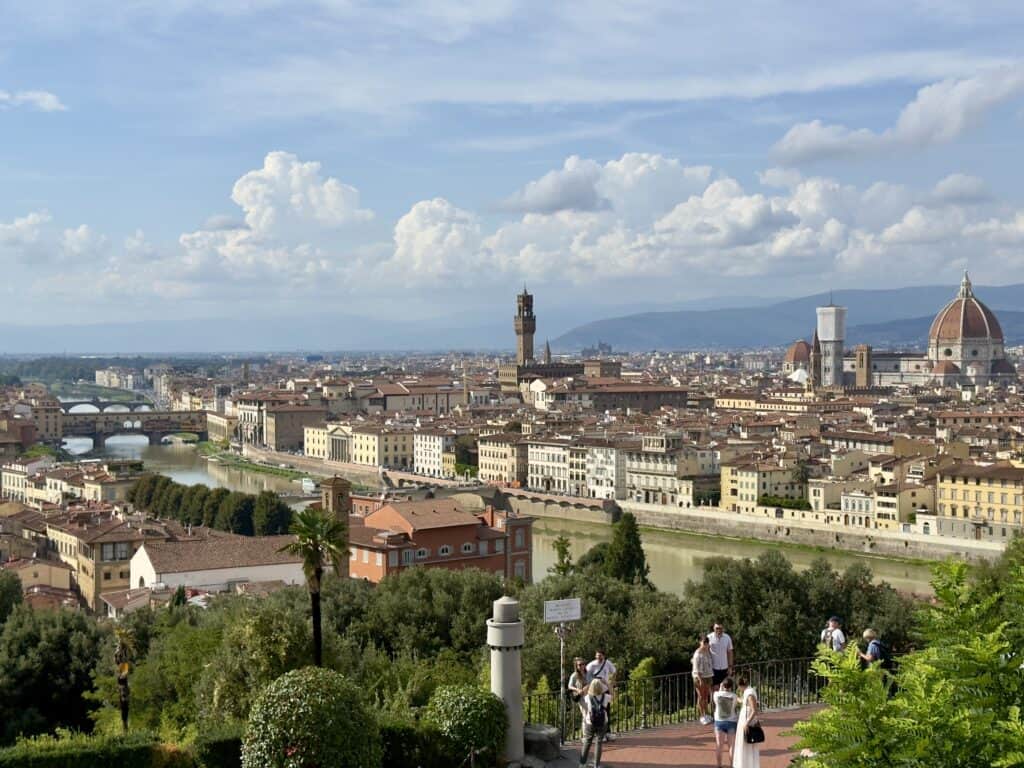
If you’ve made it this far and you’re still dreaming about living in Florence, let’s talk about how to make it happen.
The first thing you need to figure out is whether you have the legal right to live in Italy long term.
Your options will depend on your citizenship, employment situation and personal circumstances.
Moving to Florence With Italian or EU Citizenship
In my case, I was fortunate to qualify for Italian citizenship through descent, also known as jure sanguinis.
My great-grandparents were Italian, and I moved to Sardinia in early 2025 to complete the citizenship recognition process.
I submitted my application just weeks before Italy introduced major changes to its citizenship laws in March 2025.
Thankfully, my application was successful, and I became an Italian citizen later that year, in August.
That means I don’t need a visa to live and work in Italy.
However, Italian citizenship through descent is now more restrictive than when I applied, so don’t assume you’re eligible simply because you have Italian ancestry.
If you’re already an EU citizen, moving to Florence is generally more straightforward, although you’ll still need to comply with the relevant residency and administrative requirements.
Moving to Florence on a Student Visa
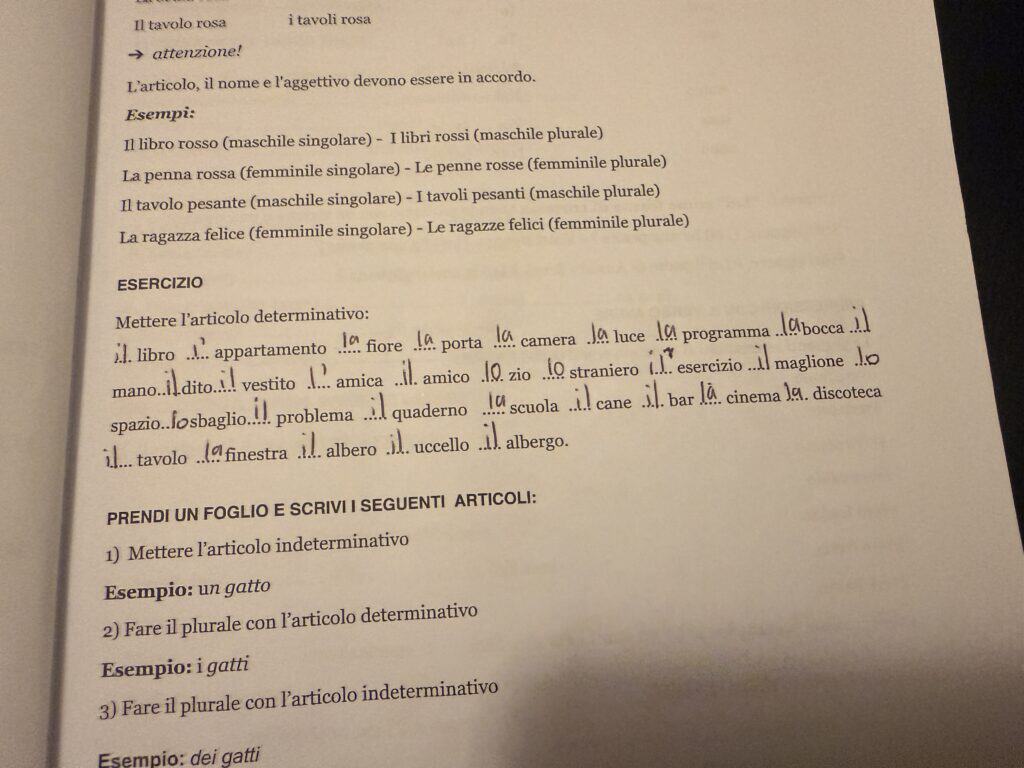
If you aren’t an Italian or EU citizen, one option worth researching is a student visa.
Italy offers study visas for qualifying educational programs, including certain Italian language courses.
This could be an appealing option if you’re interested in spending an extended period in Italy while learning the language.
However, not every language course qualifies. The Italian Ministry of Foreign Affairs specifies that eligible Italian language courses must meet requirements concerning their level, duration and full-time study commitment.
You’ll also need to meet the applicable financial, accommodation and documentation requirements.
I recommend contacting an Italian consulate before committing to a school or paying tuition.
Moving to Florence on a Digital Nomad Visa
Another potential option is Italy’s digital nomad or remote worker visa.
This visa is designed for qualifying non-EU professionals who want to live in Italy while working remotely.
Applicants must meet specific professional qualification, income, insurance and other requirements.
It’s not a general visa for anyone who works online, and eligibility depends on your individual situation.
As someone who built a freelance business before moving abroad, I think it’s exciting that Italy has created a pathway for certain remote workers.
However, I didn’t personally use this visa, so I can’t speak to the application process from firsthand experience, although I do have friends who are on this visa.
Want to Work Remotely and Live Abroad?
If moving to Italy is on your bucket list, figuring out how to earn money remotely is a pretty important first step! Before I moved abroad, I spent years building my freelance business so I could work from anywhere. And I want to help you do the same.
My free Freelance to Freedom Workbook helps you start exploring how to turn your existing skills into a freelance business and take the first steps toward earning location-independent income.
⚜️ Get Your Free Freelance to Freedom Workbook →
Other Visa Options for Moving to Italy
Depending on your circumstances, there are a few other ways you may qualify to live in Italy.
- Elective residency visa: Designed for people with substantial, stable financial resources who can support themselves without working. This could be an option for retirees or people with sufficient passive income, but employment and remote work aren’t permitted. Learn more.
- Work or self-employment visa: If you’ve secured a job with an Italian employer or qualify to establish a business or work independently in Italy, you may be eligible for a work-related visa. The requirements vary, and certain categories are subject to annual immigration quotas.
- Family reunification visa: If you have a qualifying spouse or family member who’s an Italian citizen, EU citizen or legal resident, you may be eligible to join them in Italy. Learn more.
- Investor visa: Italy also offers a visa for eligible non-EU citizens who make qualifying investments or donations. This is a more specialized option requiring significant financial resources. Learn more.
For a full breakdown of the visa categories and requirements, I recommend using the Italian government’s official Visa for Italy portal. You can enter your nationality, country of residence and reason for moving to see which options may apply to you.
💡 Important: I’m not an immigration lawyer or visa consultant. Always verify current requirements with the Italian consulate responsible for your place of residence before making relocation plans.
Is Florence a Good Place to Live?
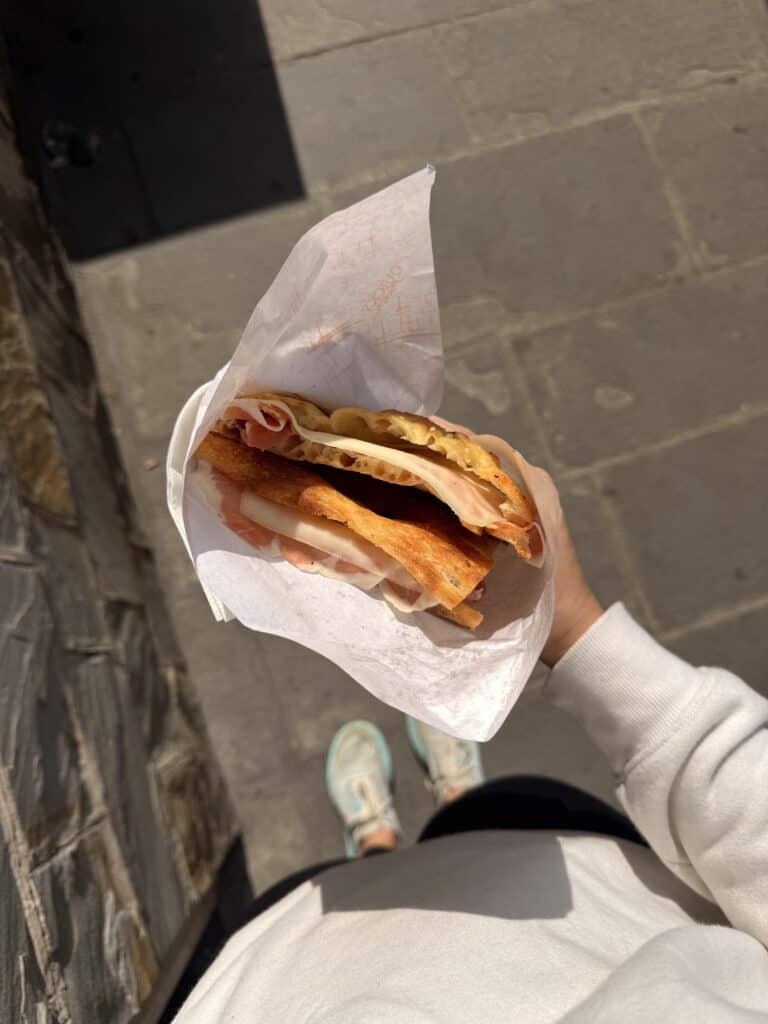
After experiencing life in Sardinia and Florence, I can confidently say that moving to Florence was the right decision for me.
I love the walkability, the opportunity to meet people from different backgrounds, and having access to so much art and culture.
I love being able to explore Tuscany on weekends and discover new places at my own pace.
But I also recognize that what makes a city perfect for one person might make it completely wrong for someone else.
If you’re someone who loves museums, enjoys walking everywhere and wants to immerse yourself in Italian culture, Florence could be a wonderful place to live.
If you’re looking for a quiet town without tourists or a place where you never have to deal with crowds, it might not be the best fit. And you know what? That’s also okay.
My Biggest Advice for Anyone Thinking About Moving Abroad
Something I’ve learned throughout this experience is that there’s no such thing as a perfect place to live.
Everywhere has its challenges.
When I lived in Los Angeles, I was frustrated by the traffic and the amount of time I spent driving.
When I lived in Sardinia, I sometimes struggled with the isolation.
And now that I live in Florence, I have to navigate mass tourism, language barriers and the occasional bureaucratic headache.
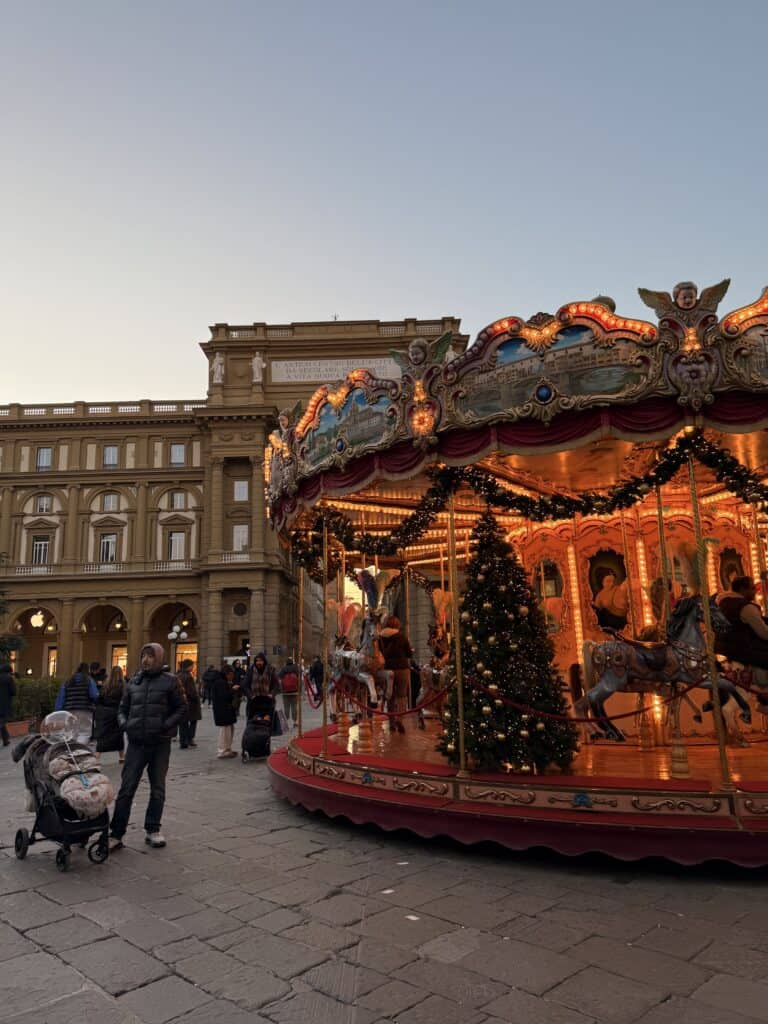
You don’t eliminate all your problems by moving abroad. You just exchange some of them for different ones.
The important thing is finding somewhere that aligns with the way you actually want to live.
For me, living in Italy means having more opportunities to walk, enjoy good food, learn another language and experience a slower lifestyle that feels more aligned with my priorities.
That doesn’t mean every day is magical…. I still have deadlines to meet, groceries to buy, taxes to figure out, dating problems (ugh), and a dog who needs to go for a walk.
My life didn’t suddenly become a permanent Italian vacation when I moved here. And yet, there’s something really meaningful about building a life in a place you’ve dreamed about for years.
Moving abroad in my 30s has challenged me in ways I didn’t expect.
I’ve had to rebuild my social circle, navigate unfamiliar systems and become comfortable with not always knowing what I’m doing, and at times, questioning the decision (yes, it does happen).
But it’s also given me opportunities to grow and learn about myself.
And maybe that’s one of the most valuable things about starting over somewhere new.
You get to decide what matters to you and build a life around those priorities.
One final thought: If you move abroad and discover that a place isn’t right for you, you can always change your mind.
Moving to Italy doesn’t mean you’re committing to living in one city forever. Sometimes, you need to experience a place firsthand to figure out whether it’s the right fit.
For now, I’m incredibly grateful to call Florence home. And I’m really excited to see where this chapter takes me.
Are you thinking about moving to Florence or somewhere else in Italy? I’d love to hear what’s inspiring you to make the move, and what questions you have about living abroad! Send me a DM on Instagram.
⚜️ Dreaming of moving abroad? Building my freelance business gave me the freedom to move to Italy, and I want to help you do the same! Download my free Freelance to Freedom Workbook to start building a remote income that can help you make your move abroad a reality.
Read More About Planning a Trip to Italy
- 21 Delicious Things to Do in Bologna You Can’t Miss (Italy’s Foodie City)
- 3 Days in Florence: The Perfect First-Timer Itinerary
- Truffle Hunting in Florence: Is It Worth It? My Honest Experience
- 15+ Best Restaurants in Alghero, Sardinia: A Local’s Guide
- Best Hotels in Alghero: Where to Stay Based on Budget, Vibes, and Location
- 21+ Best Things to Do in Alghero, Sardinia (From Someone Who Lived There)
- 10 Best Alghero Beaches, Ranked by a Local Expat
- Hiking Su Gorropu: A Guide to Sardinia’s Grand Canyon
- 5 Tips for Visiting Pompeii in One Day
- How to Get to the Amalfi Coast, Italy
- What to Wear Backpacking in Italy
- Discovering My Italian Genealogy in Sicily
Planning a trip right now? Here are a few top resources I use on every trip:
🏨 Booking.com for great deals on hotels.
🎟️ GetYourGuide for incredible tours around the world.
🌍 Faye for travel insurance with great customer support.
📞 eSIM for staying connected in the air, on a cruise ship, or exploring on foot.
🗣️ Babbel for brushing up on my language skills.
