

Barcelona Overtourism: What It Reveals About a Worldwide Travel Crisis
Barcelona overtourism is at a boiling point. Recently, anti-tourism protesters armed with water pistols took to the streets, drenching tourists dining at restaurants.
Their message? “Tourists, go home!”
Around 2,800 demonstrators marched through the city, demanding an end to what they see as a takeover of their home by foreign visitors.
Overtourism in Barcelona is not an isolated issue there—it’s a global crisis. From Venice to Japan, cities and countries are struggling to cope with the overwhelming influx of visitors.
Why are the locals mad? Because the consequences of overtourism include environmental degredation, skyrocketing living costs, and a cultural identity at risk.
Today, we’re diving deep into the escalating issue of overtourism. If you care about the places you visit and want to know how to travel responsibly, keep reading.
I’ll explore the causes and effects of overtourism, look at a few cities that are most affected, and explore if there’s an overtourism solution.
This all comes from my experience as a longtime traveler, ‘slowmad,’ and admirer of frequently touristed places in the world like Barcelona and Venice.
Is tourism a blessing or a curse? What are the steps we can take to make a better impact?
Or, the more pressing question: Are tourists ruining travel? Let’s find out.
What is overtourism?
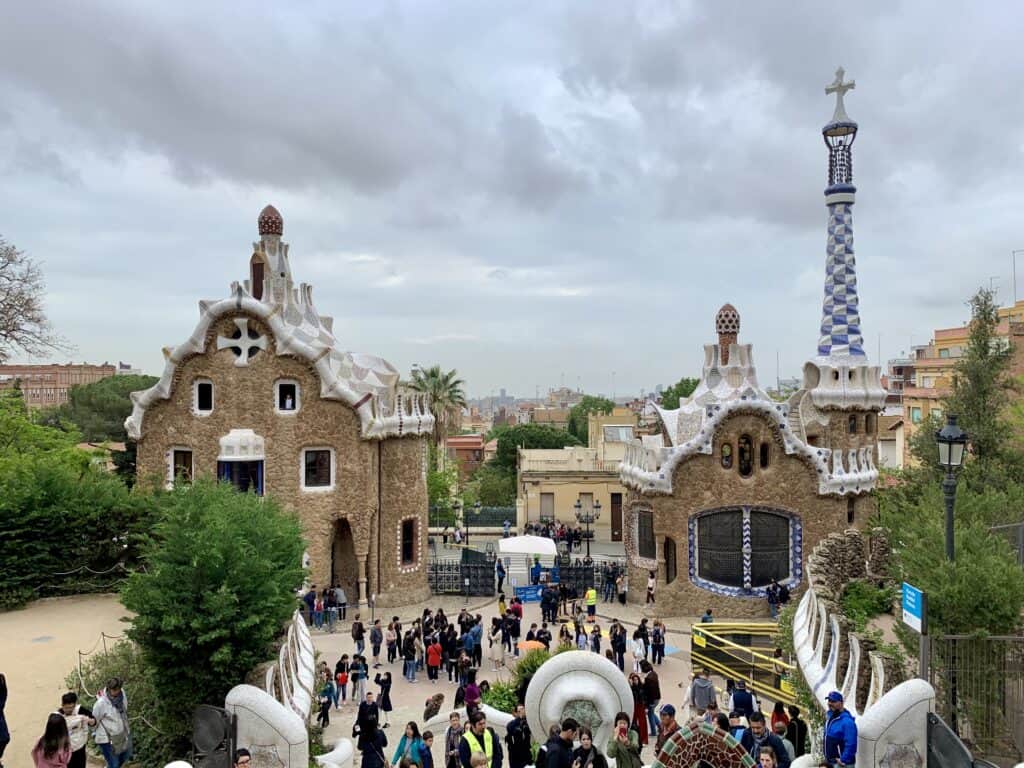
Overtourism is a term that has become a defining issue of our time. But what does it mean?
Overtourism occurs when a destination experiences an excessive number of visitors, overwhelming its infrastructure, environment, and local community. But it’s not just about the number of tourists, it’s about the impact they have.
In Venice, narrow streets are choked with people, and just this year, the city has implemented an entry fee for day-trippers, making it the first city to ever charge tourists for entry.
In Barcelona, locals are priced out of their own neighborhoods as short-term rentals drive up housing costs.
And in Japan, a record number of tourists are putting immense pressure on cultural sights and disrespecting local customs.
It’s an issue that’s affecting countries worldwide, no matter how large or small they are.
And although it’s unfortunate that it came down to locals squirting water guns at tourists, something has to be done about mass tourism in Barcelona and beyond.
Just think about it: In 2023, 23 million visitors stayed overnight in Barcelona. The entire city’s population is 1.62 million.
What causes overtourism?
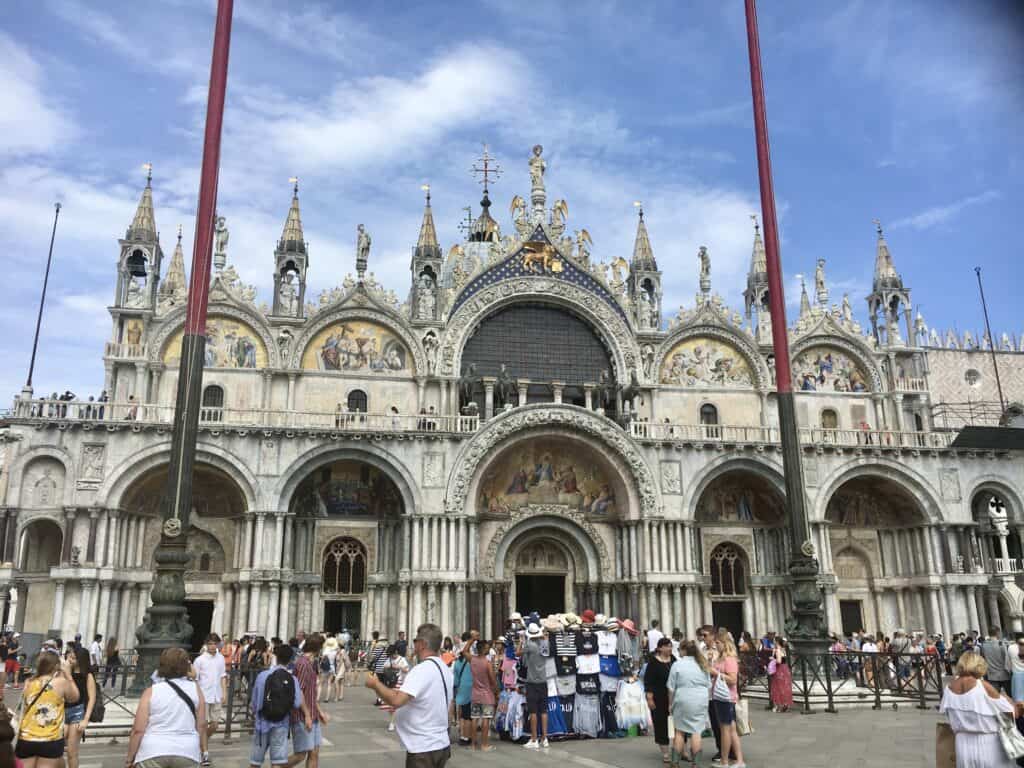
There isn’t one single cause of overtourism. It’s a complex issue with multiple causes, each contributing to the overwhelming number of visitors to the same popular destinations.
One huge factor is the rise of apartment rental companies like Airbnb. Instead of homes being occupied by local residents, entire apartments are now being rented out to tourists. This effectively displaces locals.
Airbnb has changed. It isn’t what it used to be. The spirit of a local renting out their place is no longer.
Now, real estate companies, property managers, and others can list as many properties as they want. These companies buy properties in the city center, which then decreases the supply of rentals available for the people living there. It increases rental prices, and forces residents out.
But the real driving force behind overtourism happens between airlines, cruise ships, and governments. Cheap flights and cruises have made travel more accessible but at the expense of the people who live there and the environment.
Further, the problem isn’t so much that people want to travel; it’s that so many of us want to visit the same places at the same time. These popular destinations are home to people who have to deal with the consequences.
Lack of government regulation exacerbates the issue. Without proper policy, destinations struggle to manage.
Tourism can be good, but here’s why overtourism is bad

With all of that in mind, is tourism inherently good or bad?
The answer is: it’s complicated.
We can’t deny that tourism can provide huge economic benefits. It can also be a powerful force for inclusion and cross-cultural exchange.
In many places of the world, an influx of tourists leads to the opening of tourism-related businesses, which can revilatize and create jobs. This is particularly beneficial for young people looking for work.
Tourism can also often benefit local artisans, farmers, and small business owners, providing them with a stable source of income. This helps preserve crafts and traditions, making sure they are passed down through generations.
However, the benefits of tourism are not without their costs. As we’ve seen, overtourism can lead to environmental degradation, rising living costs, and a loss of cultural authenticity.
The challenge lies in finding a balance. How can we enjoy the economic benefits of tourism while minimizing its negative impacts?
Tourism, when managed responsibly, can be a tremendous force for good.
How Can Overtourism Be Prevented?

Preventing overtourism in Barcelona and beyond is a group effort. It’s up to all of us—travelers, businesses, and governments—to ensure that tourism benefits everyone involved, and it doesn’t get out of hand.
Here are some effective alternative solutions for overtourism:
- Diversify Tourist Attractions: Governments and tourism boards can promote lesser-known destinations and attractions, which spreads crowds out instead of congesting everything in one area.
- Consider more regulations: Governments should consider enforcing more regulations on short-term rentals. Limiting the number of days a property can be rented out and imposing higher taxes on tourist rentals can help maintain affordable housing for locals.
- Cap the Number of Visitors: Even I grimace at the the thought of this, but some cities may have to consider limiting the number of visitors or creating entry fees. Venice has just done this – on certain days this year, it’s charged day-trippers a few euros to enter the city.
The way I see it, a lot of this comes down to governments, not tourists. But there are things we should do to make sure we’re mindful and respectful of a place we’re visiting.
How to be a responsible traveler
So, how can we, as travelers, be responsible when we visit a destination?
Most of us don’t intend to harm the places we visit, but often, it’s easy to be blind to our impact. Here are some tips to help you travel responsibly:
- Travel off the beaten path: Visit lesser-known destinations. Or, when you’re exploring a city like Barcelona, spend time in neighborhoods outside the center and main tourist areas. Instead of only exploring the Gothic Quarter, explore smaller neighborhoods like Gràcia, Poble Sec, or Sarria.
- Rent a Room, Not an Entire Apartment: When using vacation rental websites like Airbnb, opt for renting a room. This way, you interact with your host, gain cultural insights, and avoid contributing to the displacement of locals. Or, try to only stay at hotels instead of vacation rentals entirely.
- Avoid Peak Season: Traveling outside the peak season means fewer crowds, lower prices, and a chance to see the true character of a place without the overwhelming summer temperatures.
- Choose Where You Eat and Shop Carefully: Avoid tourist traps near major landmarks. Instead, eat at local restaurants and shop at artisan stores away from the main attractions. You’ll enjoy better food and support local businesses.
- Learn and Respect Local Customs: Understand the customs of a place before you go. For example, in Japan, it’s rude to walk and eat. Learning a few phrases of the local language can also go a long way.
- Be Respectful and Responsible: Don’t engage in disruptive behavior like getting drunk and causing a scene. Respect the environment by not littering and turning off the lights when you head out the door.
Take Home Message for Mass Tourism in Barcelona
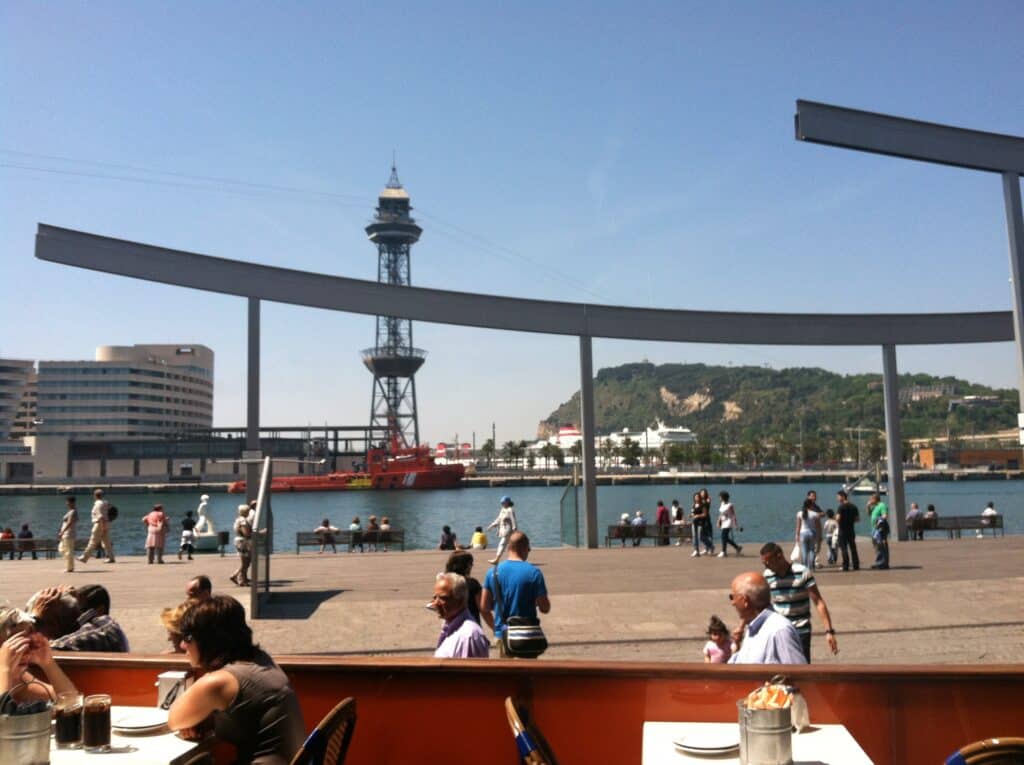
I believe in travel. It creates conversation, understanding, and makes you more sensitive and aware of the many ways of life different from your own.
As travelers, we are both the cause and the solution to overtourism. This isn’t a new problem, but it’s a problem that is gaining more attention than ever before.
When we travel responsibly, we can protect the places and people we love to visit. After all, if we don’t, there won’t be much of a place to visit anymore.
Read More:
- I Tried Lingopie for 2 Weeks & Now I’m Spilling the Tea — A Lingopie Review
- 15 Surprising Camino de Santiago Tips – Know Before You Go
- How to Truly Experience Barcelona Like a Local: My Eatwith Review
- Where to See Wildflowers in Southern California 2024 (& Free Map!)
- Explore These Spectacular National Parks Near San Diego
Planning a trip right now? A few of the top resources I use every time I travel:
🏨 Booking.com for great deals on hotels.
🎟️ GetYourGuide for incredible tours around the world.
🌍 Faye for extensive travel coverage so you’re protected.
📞 GigSky eSIM for staying connected in the air, on a cruise ship, or exploring.
🗣️ Babbel for brushing up on my language skills.
