
Inside Casa Batlló: Organic Shapes, Mosaics and Gaudí’s Creative Vision
Casa Batlló is one of those places that makes you stop, stare, and wonder how one person came up with so many wild and creative ideas. When I visited, I paid for my own ticket and walked away completely inspired by Gaudí’s organic shapes, colorful mosaics, and deep connection to the natural world.
Inside, almost nothing feels ordinary.
Curved walls, flowing lines, and unexpected bursts of color make the building feel more like a living work of art than a traditional historic home, which is exactly why it’s such a great stop for artists, designers, and anyone who needs a little creative reset.
Today, we’re going to take a look at what it’s like to explore Casa Batlló inside, from the details that stood out during my visit to the newer immersive experiences now expanding the cultural tour.
Casa Batlló’s current program also includes a contemporary art space on the second floor, created to connect Gaudí’s legacy with modern artists and technology.
Heads up, Casa Batlló reached out to me to write a sponsored post sharing info on visiting. Since I’d been before and loved it, I was happy to write this in collaboration with them. I’ve included affiliate links, but all opinions are my own. If you choose to purchase your ticket to Casa Batlló using my link, I may receive a small commission at no extra cost to you. Thank you for supporting my dream of becoming a full-time travel blogger!
Casa Batlló
Overall, I recommend Casa Batlló to first-time travelers to Barcelona because it gives you an unforgettable introduction to Gaudí’s style in one easy-to-visit landmark.
The organic shapes and colorful mosaics make the experience feel completely different from a typical historic home. It’s also a great choice for anyone who wants to understand why Barcelona’s architecture is such a huge part of the city’s identity.
What Is Casa Batlló?
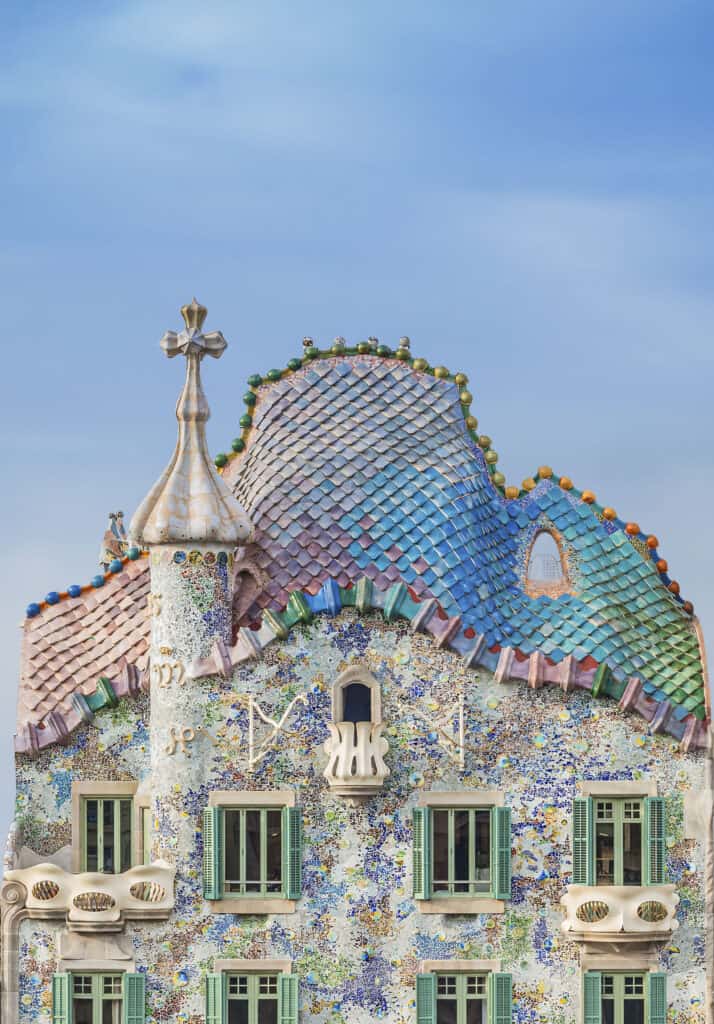
Casa Batlló is one of Antoni Gaudí’s most famous works and one of the most recognizable landmarks in Barcelona. Located on Passeig de Gràcia, the building was redesigned by Gaudí between 1904 and 1906 during one of the most important periods of his career.
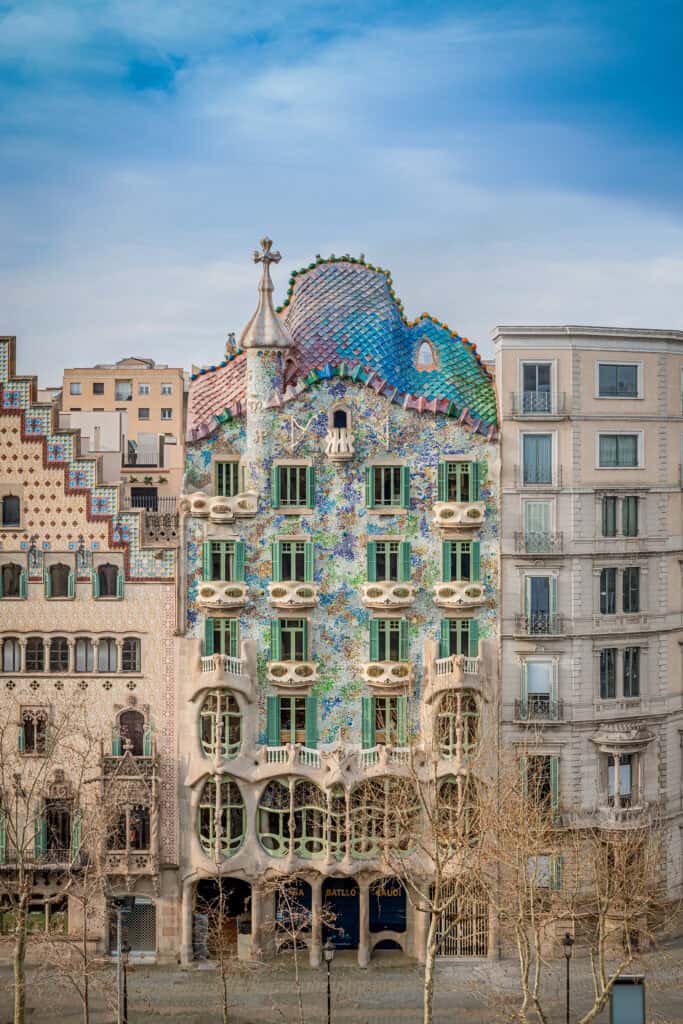
The house is a major example of Catalan Modernisme, but it doesn’t feel stiff or overly formal. Gaudí used curved lines, colorful glass, detailed woodwork, and shapes inspired by nature to create something that feels imaginative from the moment you step inside.
Casa Batlló has been a UNESCO World Heritage Site since 2005 and now welcomes more than 1 million visitors each year.
Today, the experience combines historic architecture with technology and contemporary art, giving you a fresh way to connect with Gaudí’s work.
What Casa Batlló Looks Like Inside
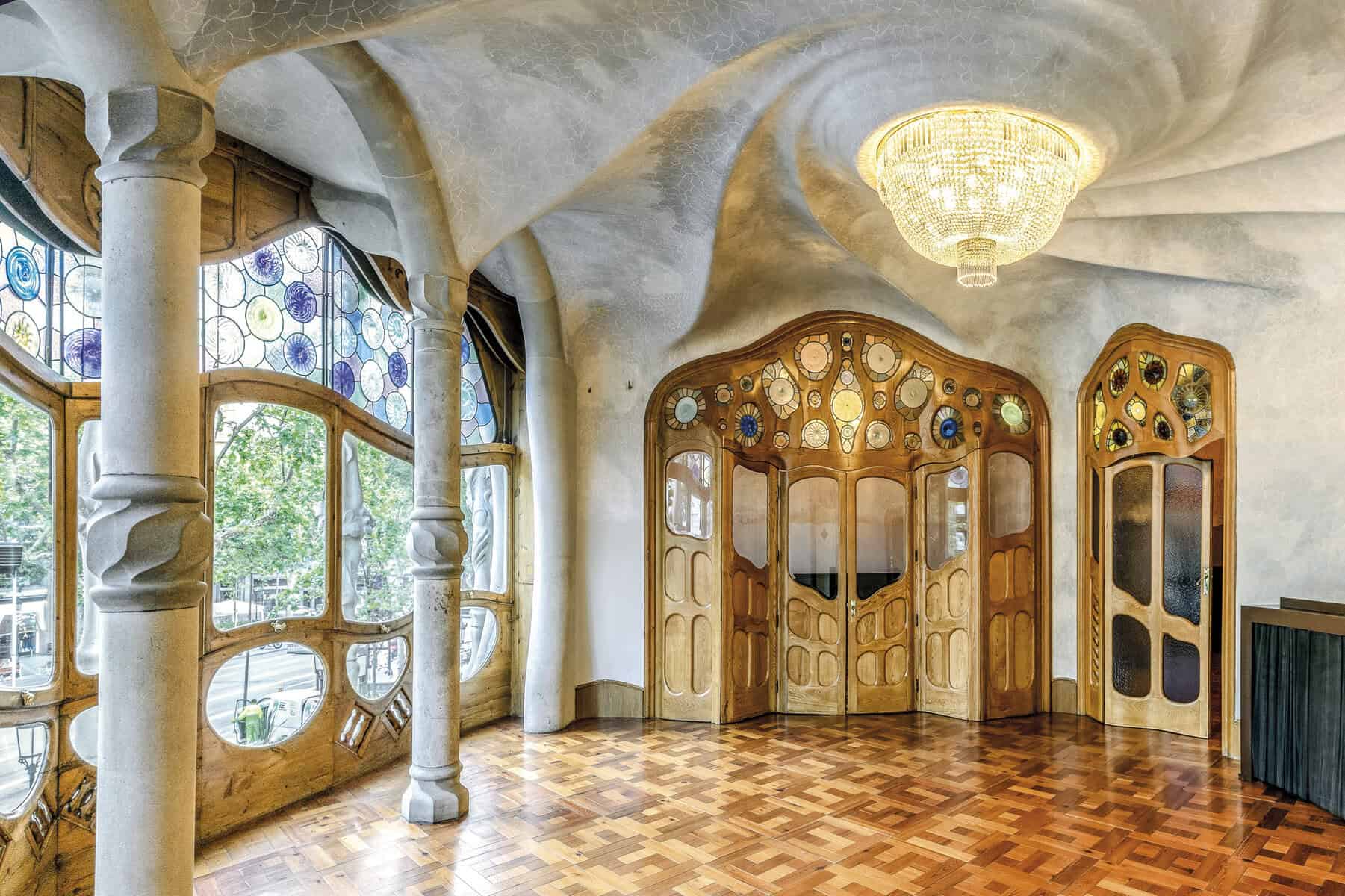
Casa Batlló’s interior feels like Gaudí took the natural world, added a little chaos, and somehow turned it into a functional home.
Instead of relying on straight lines and sharp corners, he used curves, flowing shapes, and unexpected details that make each room feel connected to the next.
You can get an inside look at Casa Batlló as I walk through it in this video:

What stood out most to me was the building’s wildly powerful creative energy.
The colors, mosaics, carved wood, and shifting light make the house feel alive, and there’s always another detail pulling your attention in a new direction.
It’s especially inspiring for artists, designers and other creative travelers. Casa Batlló shows how architecture can borrow from water, plants, animals, and movement without simply copying them.
Gaudí’s Organic Shapes
One of the first things you notice inside Casa Batlló is how few straight lines there are. The doors, ceilings, windows, and staircases curve in ways that feel more like waves, bones, shells, and plants than traditional architecture.
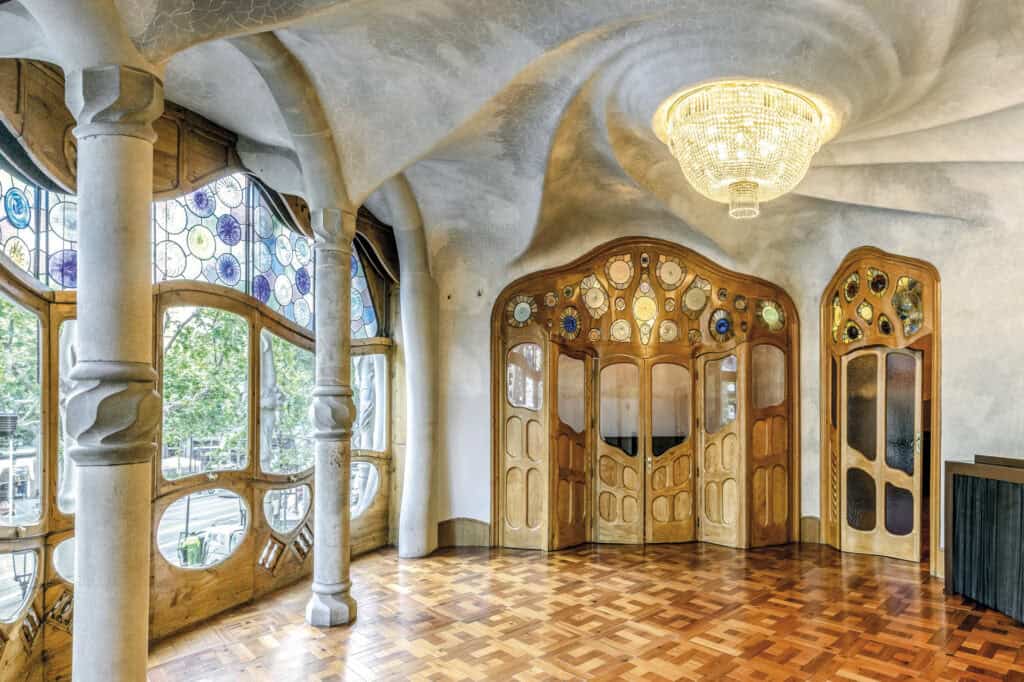
That connection to nature is what makes Gaudí’s work so cool. He was decorating a house with natural motifs, but really, he was using the shapes and movement of the natural world to guide the entire design.
The result feels playful, creative, and surprisingly calming. Even the smallest details look intentional, which makes it easy to slow down and notice how much thought went into every room.
Color, Light, and Mosaics
Color plays a huge role inside Casa Batlló. Blues, greens, golds and warmer tones appear throughout the house, creating rooms that feel bright, fluid and full of movement.
The mosaics, though… those were one of my favorite details. I just love how Gaudí used small pieces of ceramic and glass to build texture. It catches the light differently, entirely depending on where you’re standing at any given moment.
That changing light makes the interior feel different from one room to the next.
It also reinforces the sense that nature wasn’t just a decorative theme for Gaudí. It actually shaped how the entire space was meant to feel.
Casa Batlló is one of those places that makes you stop, stare, and wonder how one person came up with so many wild and creative ideas. When I visited, I paid for my own ticket and walked away completely inspired by Gaudí’s organic shapes, colorful mosaics, and deep connection to the natural world.
Interior Highlights at Casa Batlló
Inside Casa Batlló, every space feels connected by Gaudí’s creative vision. There are curved walls, carved wood, colorful glass, and mosaics. Add in the way the light shifts through the space, and the house feels like a living, breathing piece of art, more than an actual home.
The blue-tiled light well is especially striking because the colors deepen as you look upward, creating an effect that feels almost underwater. That was probably my favorite part of the house.
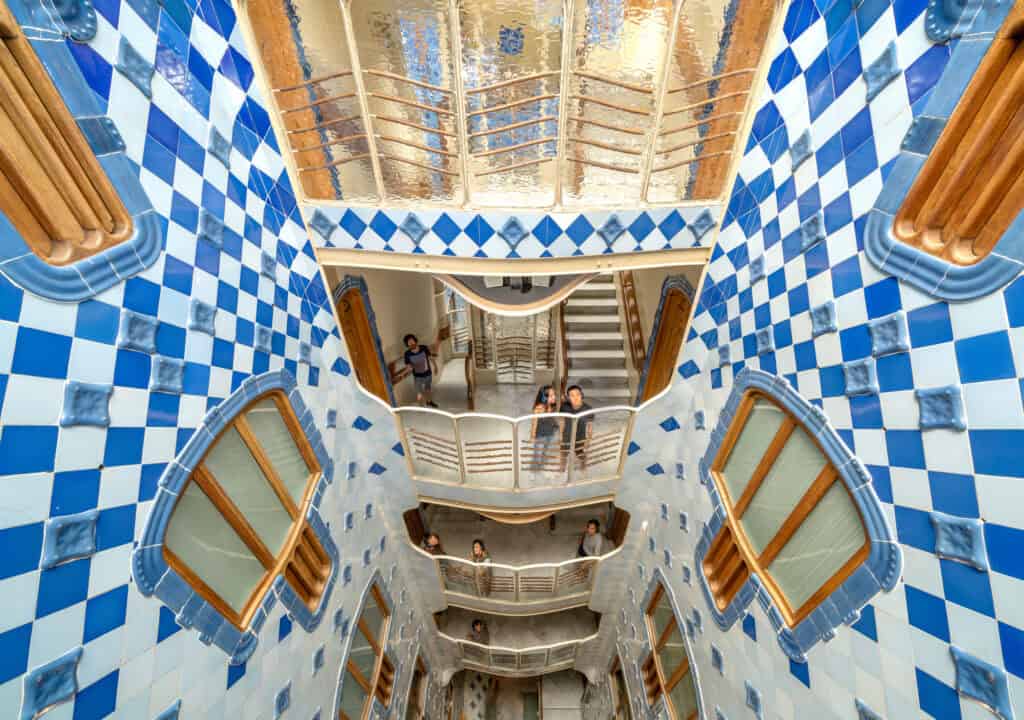
The attic and rooftop continue that same sense of imagination with sculptural forms, white arches, and colorful details that make every space feel inspiring.
What really stayed with me most was how much there is to notice without needing to analyze every room individually. The interior feels cohesive, playful, and buzzing with ideas, which is exactly why it’s such an inspiring place for artists and creative travelers.
Casa Batlló’s New Immersive Contemporary Art Experience
Since my most recent visit was in 2024, I haven’t personally experienced Casa Batlló’s newest second-floor exhibition space.
Based on what I understand, the revised cultural visit now features a contemporary art itinerary that links Gaudí’s legacy with modern technology, light, movement, and digital art. It looks cool and worth exploring. And I can imagine the selfie pics in this space would be incredible.
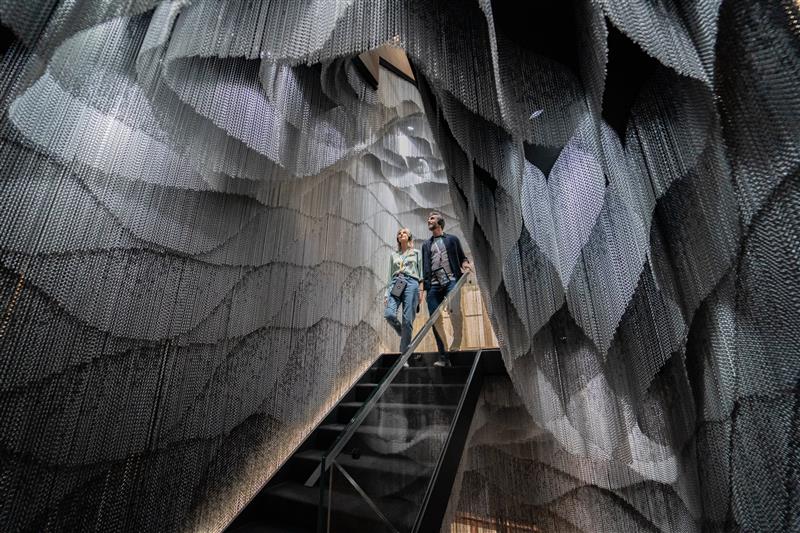
The new space opened as part of Gaudí Year 2026 and gives visitors access to an area that was previously closed to the public. It brings together work by United Visual Artists, Kengo Kuma, and Refik Anadol, creating a more immersive way to explore the ideas behind Gaudí’s architecture.
Casa Batlló’s cultural and immersive experiences have also received 26 international awards, helping establish it as Europe’s most awarded World Heritage Site in recent years.
The expansion makes the visit especially interesting if you’ve been to Casa Batlló before. Now you can go back again to experience how modern artists are continuing to reinterpret Gaudí’s vision.
Inside the New Second-Floor Experience
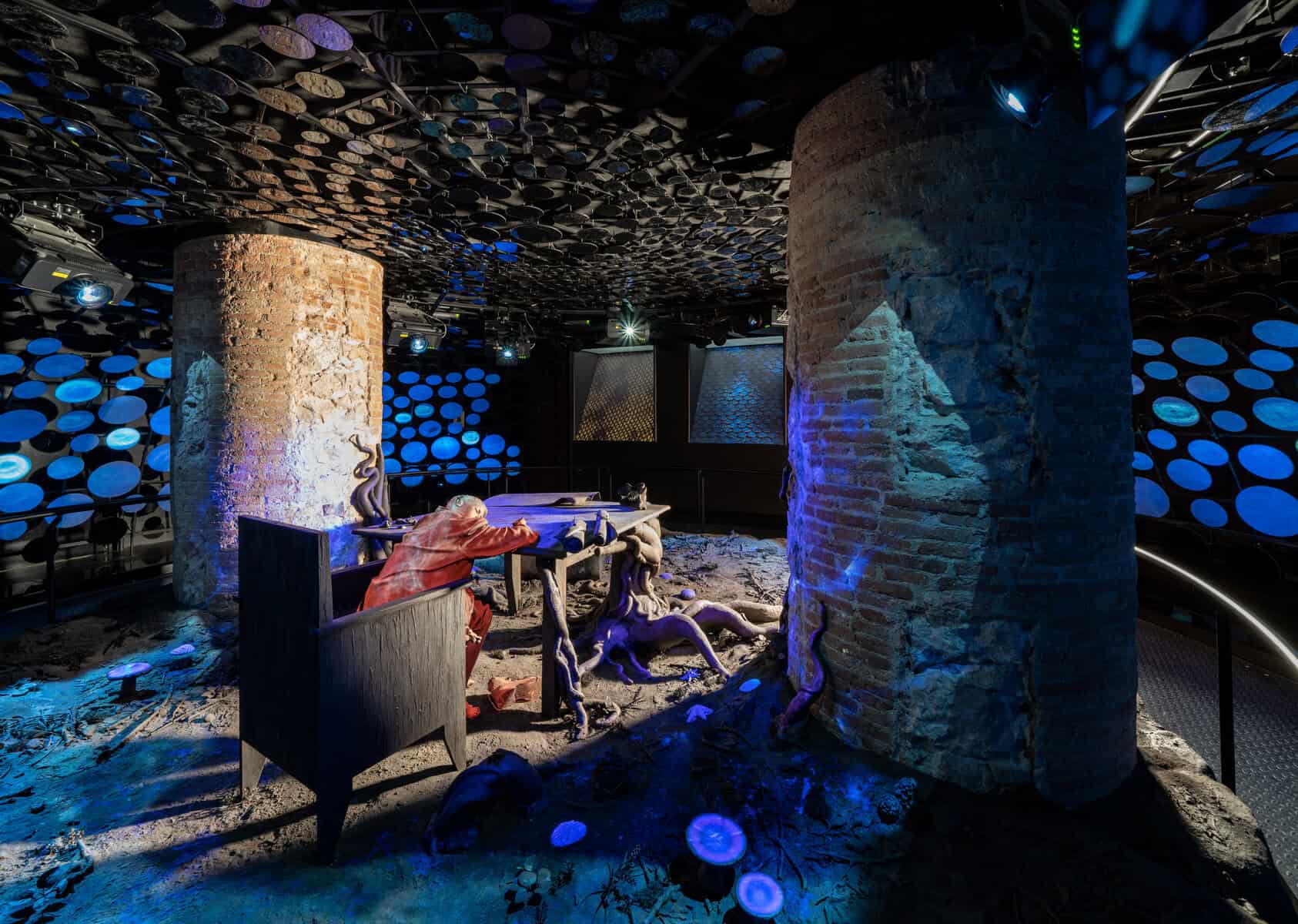
The new second-floor experience brings together three contemporary interpretations of Gaudí’s work.
Beyond the Façade by United Visual Artists uses light, moving projections and kinetic sculptures to explore the geometry, rhythm and movement behind Gaudí’s work.
Kengo Kuma’s staircase intervention transforms the descent between floors with filtered light and an enveloping structure designed to create a more reflective sensory experience.
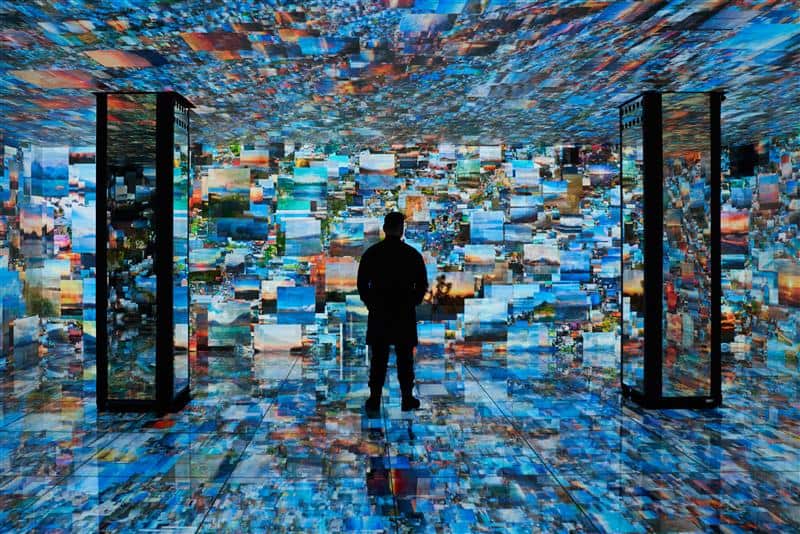
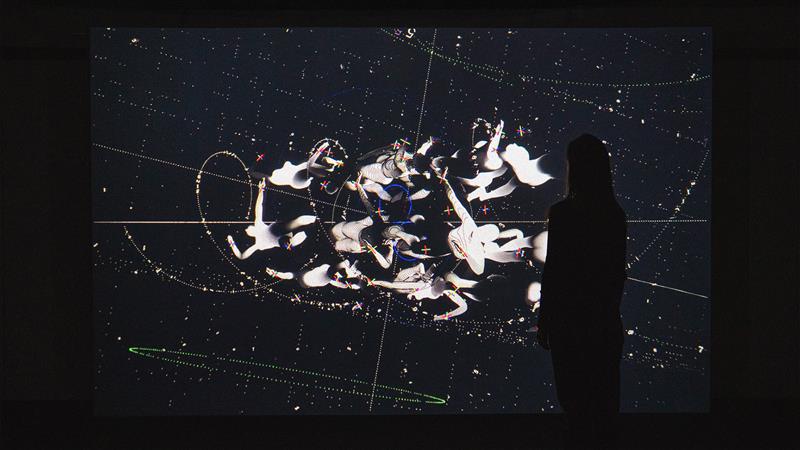
Gaudí Dreams by Refik Anadol uses data, algorithms, and artificial intelligence to turn Gaudí’s creative universe into an immersive audiovisual landscape.
Together, these installations connect Gaudí’s ideas about nature, movement, and form with contemporary art and technology.
Gaudí Dôme and Gaudí Cube
Gaudí Dôme uses more than 1,000 screens to surround visitors with imagery inspired by the natural world that influenced Gaudí’s work.
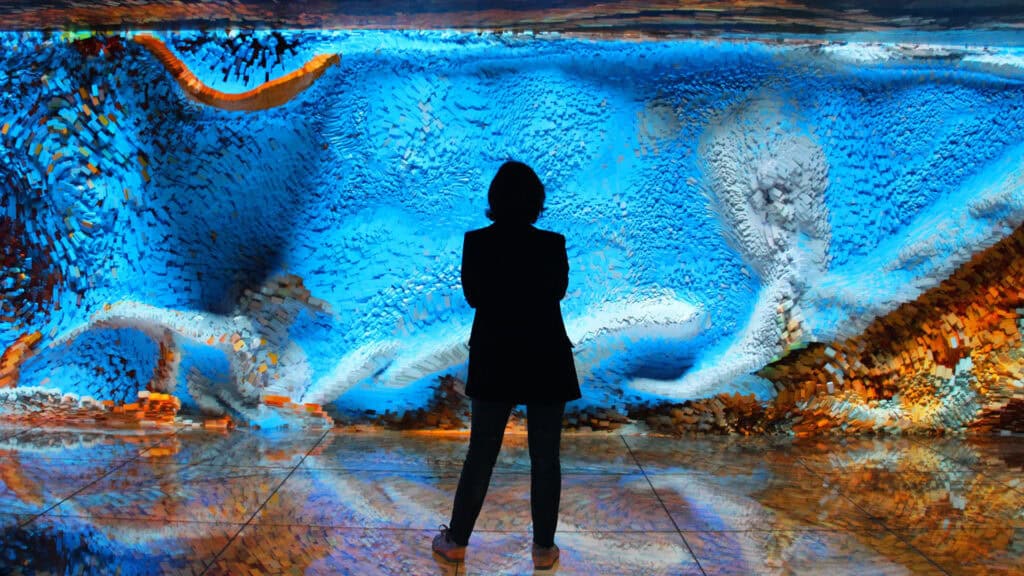
Gaudí Cube is a permanent 360-degree immersive installation by Refik Anadol that transforms those influences into a digital audiovisual experience.
I recently saw Refik Anadol’s new Museum of Artificial Art in Los Angeles. Based on that experience, I can imagine how cool the Gaudí Cube must be!
Tips for Visiting Casa Batlló
Book your ticket ahead of time, especially if you’re visiting during a busy travel season. You can buy tickets online before your visit.
Give yourself enough time to slow down and notice the smaller design details. The curves, mosaics, woodwork, and changing light are a big part of what makes the interior so memorable.
Visitors can also use a tablet with augmented reality features to see parts of the house as they may have appeared more than 100 years ago.
Kids under 12 can visit for free, which makes Casa Batlló a great option for families exploring Barcelona.
Why Artists and Creative Travelers Will Love Casa Batlló
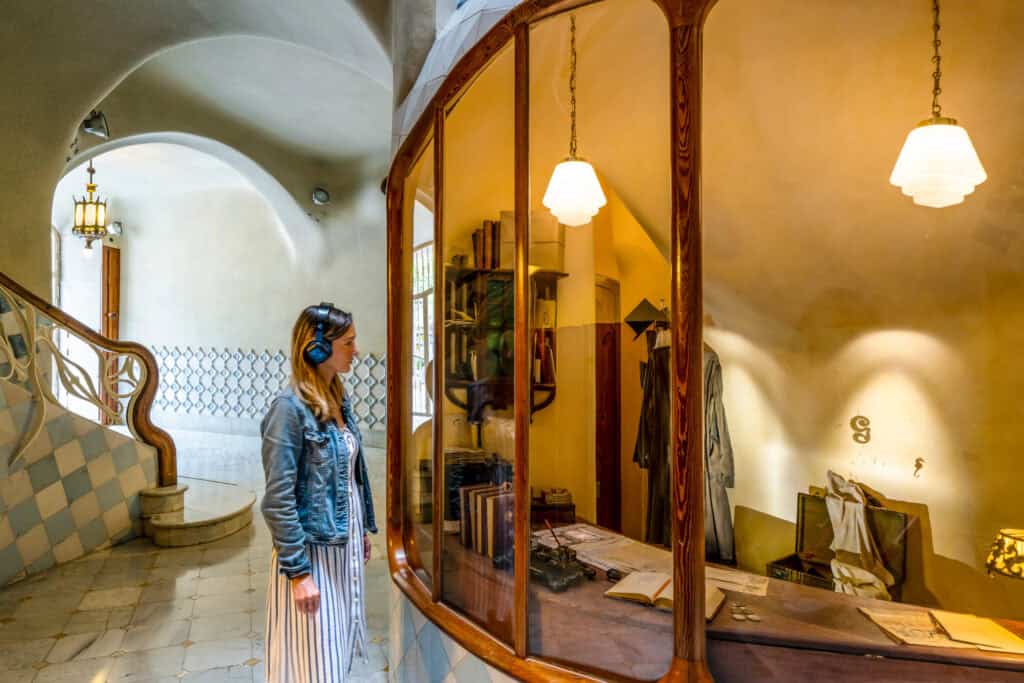
Casa Batlló is especially inspiring for artists, designers, photographers, and anyone who loves to pay close attention to color, shape, and texture.
Gaudí’s use of mosaics, curved lines, and natural forms gives you plenty to study without making the experience feel overly serious.
What I loved most was seeing how freely he worked with ideas from the natural world. The building is a reminder that inspiration can come from everyday things like water, plants, bones, shells, and light.
It’s the kind of place that can shake you out of a creative rut. Even if you don’t consider yourself an artist, you’ll probably leave noticing details in the world around you a little differently.
Is Casa Batlló Worth Visiting?
Yes, Casa Batlló is worth visiting, especially if it’s your first trip to Barcelona. It gives you a close look at Gaudí’s architecture while also showing how much thought he put into everyday living spaces.
I really think that it’s an experience that’s more than your typical historic house tour. The design, and now the contemporary art additions, make it unique, unlike other historic house tours I’ve been to in Europe.
I’d recommend it most to architecture lovers, artists, designers and travelers who want to understand why Barcelona feels so visually distinct. It’s also a strong choice for repeat visitors now that the cultural experience has expanded with the new second-floor exhibition space.
Final Thoughts on Seeing Casa Batlló Inside
What stayed with me most about Casa Batlló was the way Gaudí turned nature into architecture. The organic shapes and simply the way light moves through the space makes the inside of the Casa feel imaginative and yet functional all at the same time.
My visit two years ago gave me a deeper appreciation for how much creative thought is really just packed into every detail. With the newer immersive additions and second-floor exhibition space, the experience now offers even more ways to connect with Gaudí’s work.
Would you be most excited to see the mosaics, the nature-inspired interiors or the new contemporary art installations? Send me a DM on Instagram – I’d love to hear from you!
Read More about Barcelona:
- How to Digital Nomad in Barcelona: Tips from Someone Who Lived It
- 3 Days in Barcelona Itinerary: How to Spend 3 Days in Barcelona
- 10 Best Desserts in Barcelona — A Sweet Guide from Cakes to Croissants & More
- Montserrat Itinerary: How to Plan the Best Day Trip from Barcelona to Montserrat
- How to Truly Experience Barcelona Like a Local: My Eatwith Review
- Barcelona Overtourism: What It Reveals About a Worldwide Travel Crisis
- 5 Reasons You Shouldn’t Visit Barcelona in the Summer
Planning a trip right now? Here are a few top resources I use on every trip:
🏨 Booking.com for great deals on hotels.
🎟️ GetYourGuide for incredible tours around the world.
🌍 Faye for travel insurance with great customer support.
📞 eSIM for staying connected in the air, on a cruise ship, or exploring on foot.
🗣️ Babbel for brushing up on my language skills.
